
Managing money without a budget is like driving without a map. You may eventually reach your destination, but you’ll waste time, money, and energy along the way.
If you’re new to personal finance, you may be asking:
👉 “What is a budget, and how does it actually work?”
The good news is that budgeting doesn’t need to be complicated.
This beginner-friendly guide explains:
- What a budget is
- Why budgeting matters
- How to create a budget step-by-step
- Common budgeting mistakes
- Best budgeting methods for beginners in the USA
By the end of this guide, you’ll know exactly how to start budgeting confidently in 2026.
🔥 QUICK ANSWER
A budget is a financial plan that helps you track income, expenses, savings, and spending.
A budget helps people:
- Control spending
- Save money
- Avoid debt
- Reach financial goals
👉 Budgeting is one of the most important personal finance skills.
📊 WHY BUDGETING IS IMPORTANT
Many people struggle financially not because they don’t earn enough but because they don’t manage money effectively.
Budgeting helps you:
✅ Understand where your money goes
✅ Avoid overspending
✅ Build savings faster
✅ Reduce financial stress
✅ Reach long-term goals
👉 Even a simple budget can completely improve financial habits.
💡 WHAT A BUDGET ACTUALLY DOES
A budget tells your money where to go before you spend it.
Instead of wondering:
❌ “Where did my paycheck go?”
You’ll know:
✅ Exactly how much you can spend and save.
🧠 BASIC PARTS OF A BUDGET
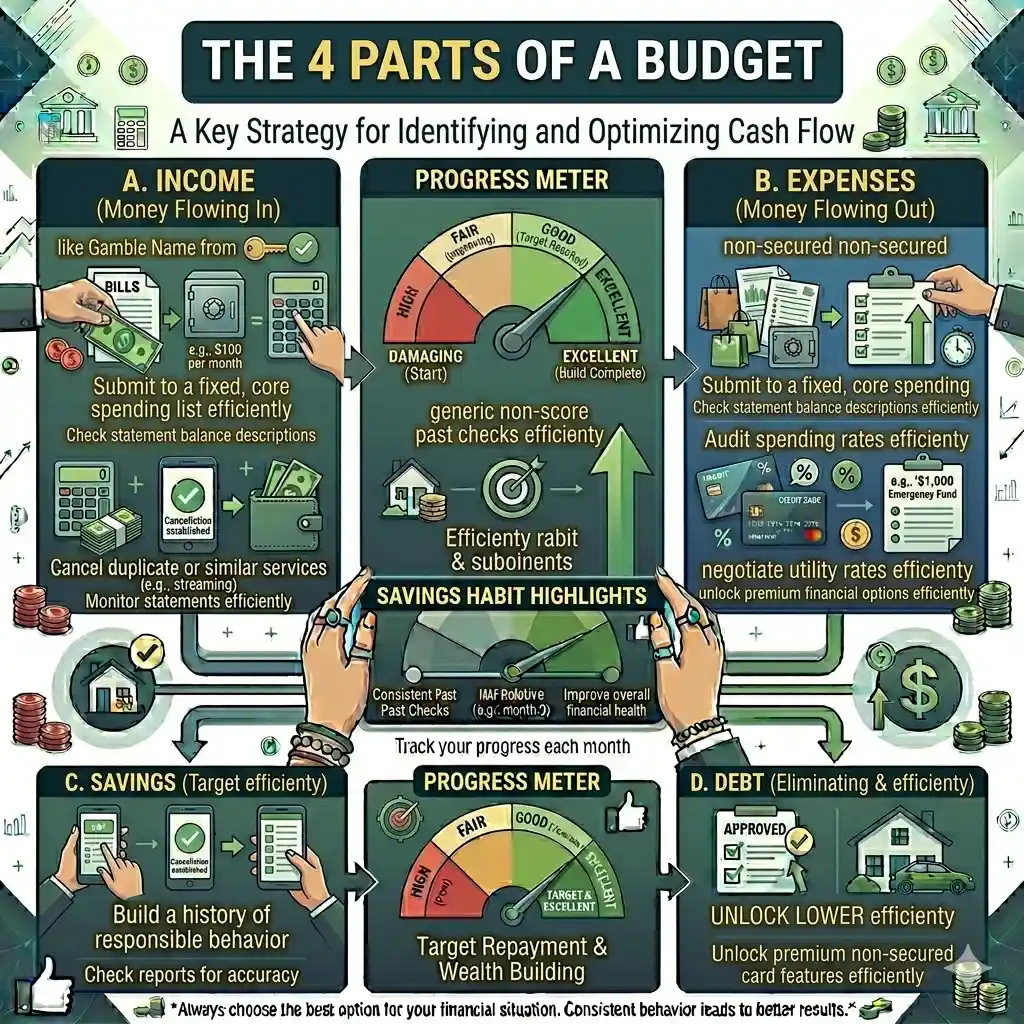
Every budget has four core parts.
💵 1. Income
Income is the money you earn.
Examples:
- Salary
- Freelance income
- Side hustles
- Business income
👉 Always calculate your monthly after-tax income.
🏠 2. Fixed Expenses
These are expenses that usually stay the same each month.
Examples:
- Rent or mortgage
- Car payments
- Insurance
- Phone bills
🛒 3. Variable Expenses
These change monthly.
Examples:
- Groceries
- Entertainment
- Dining out
- Shopping
👉 Variable expenses are usually easier to reduce.
💰 4. Savings & Debt Payments
A good budget includes:
- Emergency savings
- Investments
- Debt payoff goals
👉 Saving should be treated like a mandatory bill.
🚀 HOW TO CREATE A BUDGET (STEP-BY-STEP)
Step 1: Calculate Monthly Income
Start by calculating:
- Salary
- Freelance earnings
- Side income
👉 Use your actual take-home pay.
Step 2: List Monthly Expenses
Write down:
- Bills
- Subscriptions
- Food costs
- Transportation
- Debt payments
👉 Tracking expenses reveals spending habits.
Step 3: Categorize Spending
Split expenses into:
- Needs
- Wants
- Savings
👉 This helps prioritize spending better.
Step 4: Set Spending Limits
Decide how much you can spend in each category.
Example:
- Groceries → $400
- Entertainment → $100
- Savings → $300
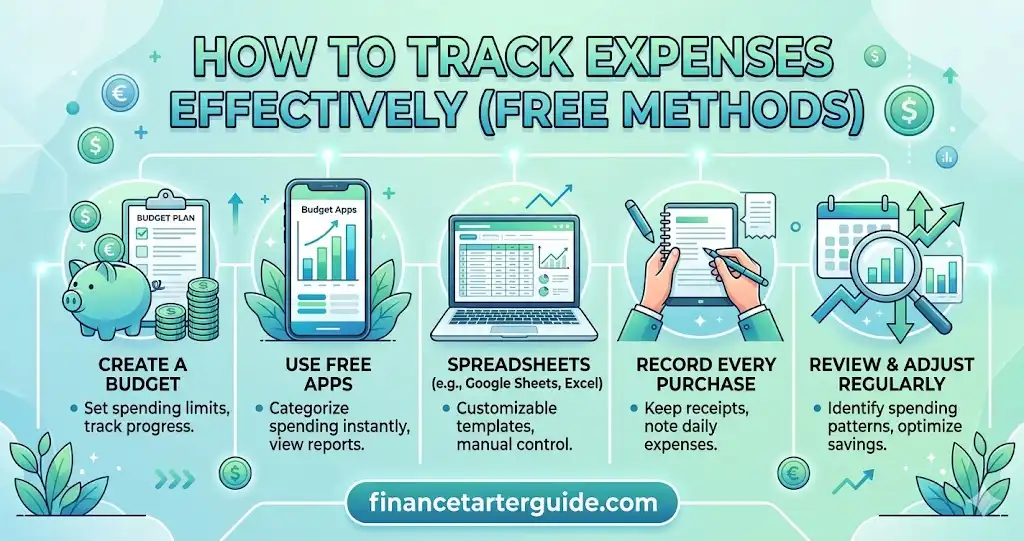
Step 5: Track Spending Regularly
Review spending weekly or daily.
👉 Budgeting only works if you stay consistent.
🔥 BEST BUDGETING METHOD FOR BEGINNERS
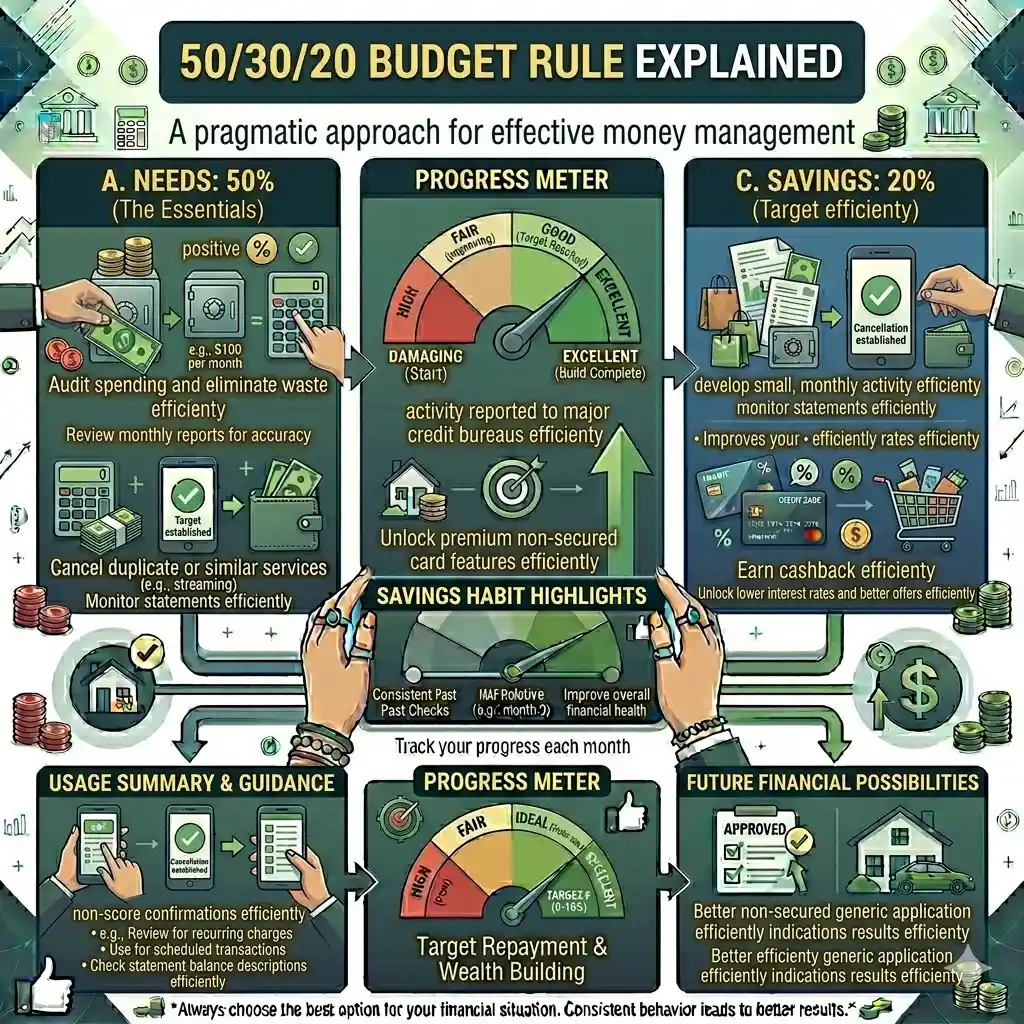
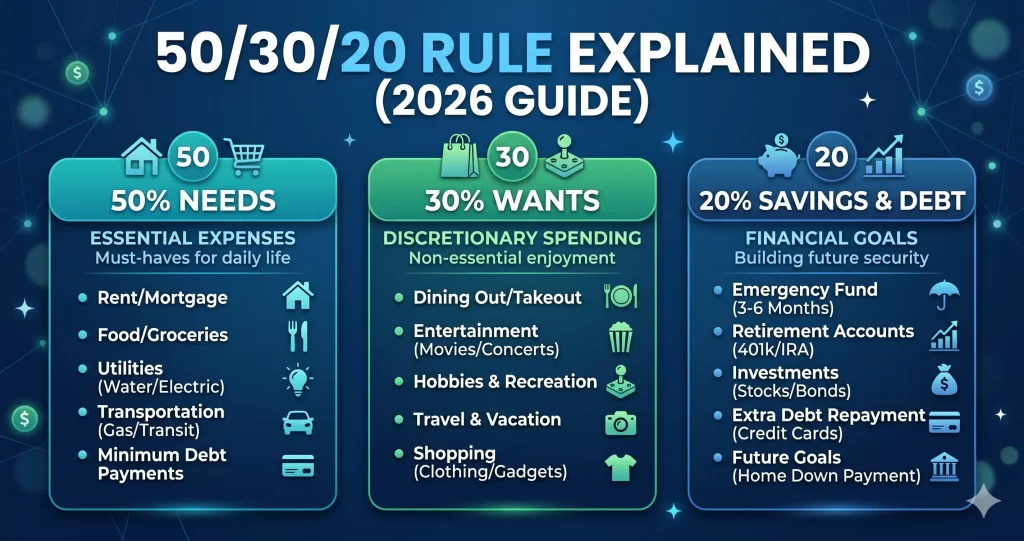
The 50/30/20 Rule
One of the easiest budgeting systems in the USA is the 50/30/20 rule.
📊 How It Works
50% → Needs
- Rent
- Utilities
- Groceries
- Insurance
30% → Wants
- Dining out
- Shopping
- Entertainment
20% → Savings & Debt
- Emergency fund
- Investments
- Credit card payoff
👉 This method keeps budgeting simple and realistic.
💡 EXAMPLE OF A MONTHLY BUDGET
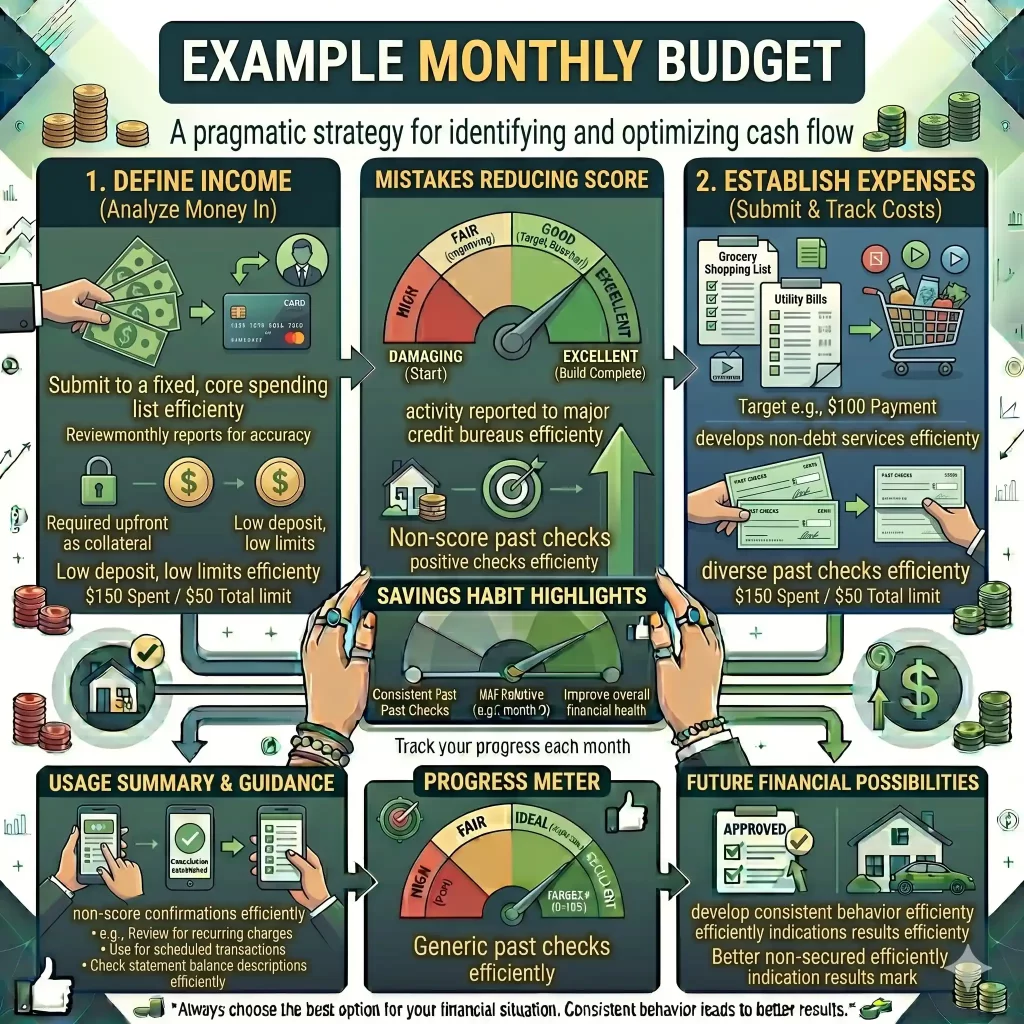
Monthly Income:
$3,000
Budget Breakdown:
- Needs → $1,500
- Wants → $900
- Savings → $600
👉 Simple budgeting structures are easier to maintain long-term.
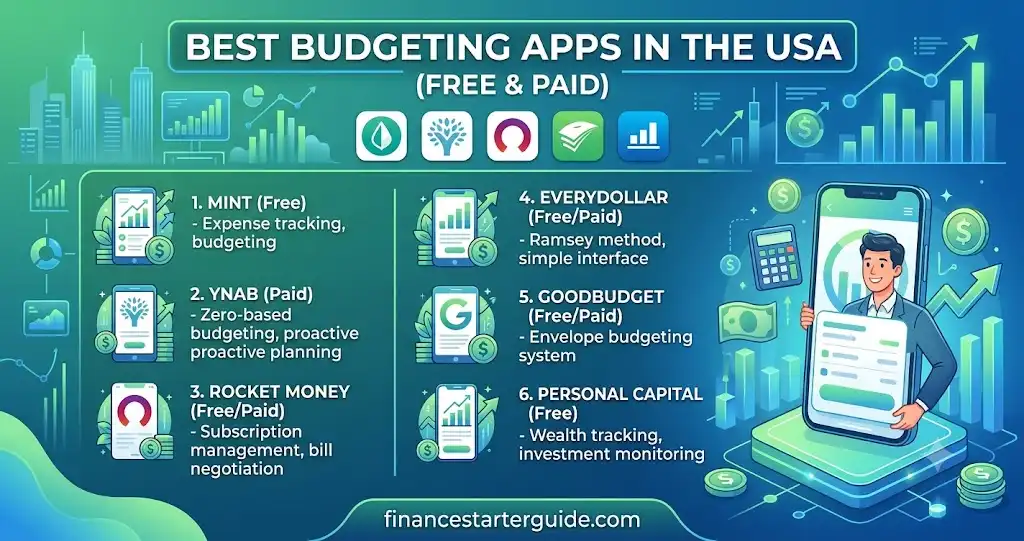
📱 BEST TOOLS FOR BUDGETING
You can budget using:
- Budgeting apps
- Spreadsheets
- Pen and paper
👉 Choose the method you’ll consistently use.
⚡ COMMON BUDGETING MISTAKES
❌ Not tracking expenses
Ignoring spending causes budgets to fail.
❌ Unrealistic budgeting
Budgets that are too strict rarely last.
❌ Forgetting irregular expenses
Examples:
- Car repairs
- Holidays
- Insurance renewals
❌ No emergency fund
Unexpected expenses often create debt.
💸 HOW BUDGETING HELPS YOU SAVE MONEY
Budgeting helps identify:
- Wasteful spending
- Hidden subscriptions
- Impulse purchases
👉 Even small changes can save hundreds monthly.
📈 HOW A BUDGET IMPROVES CREDIT SCORE
Good budgeting helps you:
- Pay bills on time
- Reduce debt
- Avoid missed payments
👉 Better financial habits often improve credit scores too.
🧠 BUDGETING FOR LOW INCOME HOUSEHOLDS
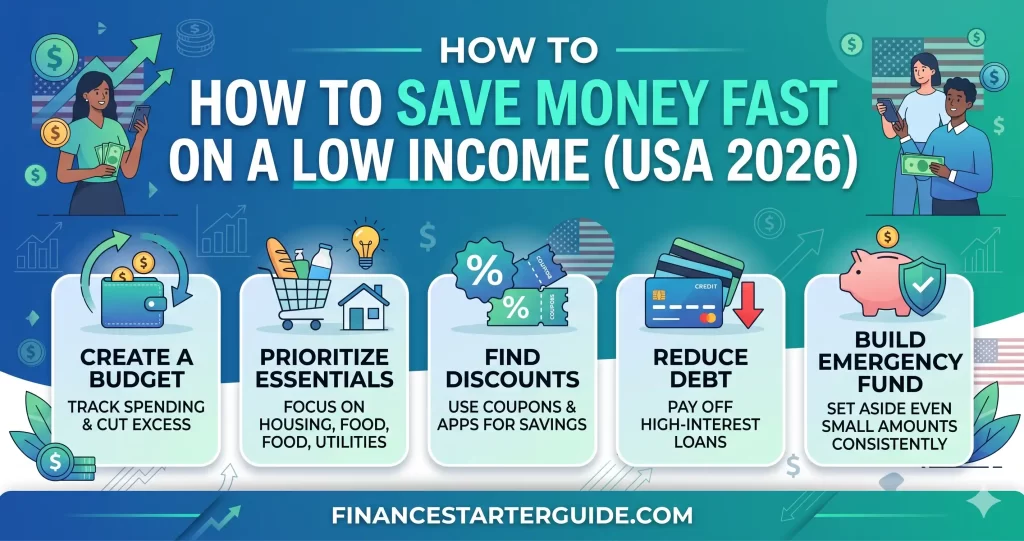
If income is limited:
✅ Focus on essentials first
✅ Reduce variable expenses
✅ Avoid lifestyle inflation
✅ Build small emergency savings gradually
👉 Budgeting is useful at every income level.
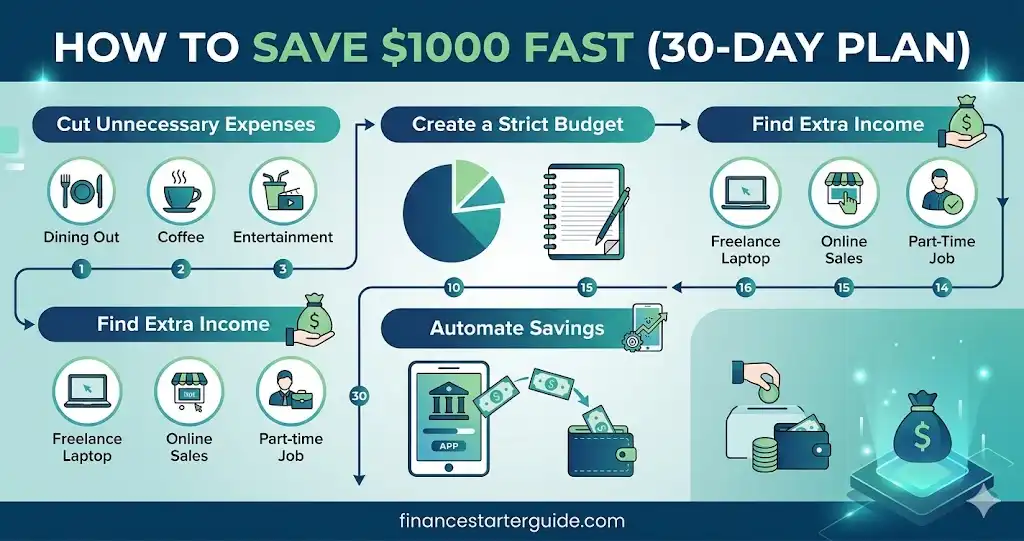
🔥 SIMPLE MONEY SAVING STRATEGIES
✅ Cook at home
Food delivery drains budgets quickly.
✅ Cancel unused subscriptions
Streaming and app subscriptions add up.
✅ Avoid impulse shopping
Use the 24-hour rule before purchases.
✅ Automate savings
Automatic transfers improve consistency.
📊 SIGNS YOUR BUDGET IS WORKING
You’ll notice:
- Less financial stress
- More savings
- Fewer late payments
- Better spending awareness
👉 Progress matters more than perfection.
⚠️ HOW TO STICK TO A BUDGET LONG-TERM
Keep it simple
Complicated systems are harder to maintain.
Review regularly
Adjust categories when needed.
Allow flexibility
Strict budgets often fail.
Focus on goals
Examples:
- Emergency fund
- Debt payoff
- Vacation savings
👉 Clear goals improve motivation.
🧠 FAQ SECTION
What is a budget in simple words?
A budget is a plan for managing income, expenses, and savings.
Why is budgeting important?
Budgeting helps control spending, save money, reduce debt, and improve financial habits.
What is the best budgeting method for beginners?
The 50/30/20 rule is one of the easiest methods for beginners.
Can budgeting help save money?
Yes, budgeting helps identify wasteful spending and improves savings habits.
How often should I review my budget?
Review your budget weekly or monthly to stay on track.
🏆 FINAL THOUGHTS
A budget is one of the most powerful tools for improving financial health.
You don’t need to be wealthy to budget successfully.
👉 Start simple, stay consistent, and focus on progress over perfection.
Budgeting is the foundation of long-term financial success.
Disclaimer: This article is for educational and informational purposes only and does not constitute financial, investment, tax, or legal advice.

Pingback: 50/30/20 Rule Explained (With US Examples) Beginner Budget Guide 2026
Pingback: Top 15 Money Saving Tips That Actually Work in the USA (2026 Guide)
Pingback: Best Budgeting Apps in the USA (Free & Paid) 2026 Guide - Finance Starter Guide
Pingback: Best Budgeting Apps in the USA (Free & Paid) 2026 Guide
Pingback: How to Save Money Fast on a Low Income (USA Guide 2026)
Pingback: How to Save $1000 Fast (Realistic Plan for Beginners USA 2026) - Finance Starter Guide
Pingback: Emergency Fund: How Much Do You Really Need? (USA Guide 2026)
Pingback: How to Track Expenses Effectively (Free Methods)
Pingback: How Millennials Can Build Wealth from Scratch (Complete 2026 Guide)
Pingback: How to Avoid Common Money Mistakes in Your 20s (Complete USA Guide)