
Living paycheck to paycheck is stressful.
You earn money… and before the next paycheck arrives, it’s already gone.
👉 If this sounds familiar — you’re not alone.
But here’s the truth:
👉 You can break this cycle — even on a low income.
This guide gives you a realistic, step-by-step plan to take control of your money.
🔥 QUICK ANSWER
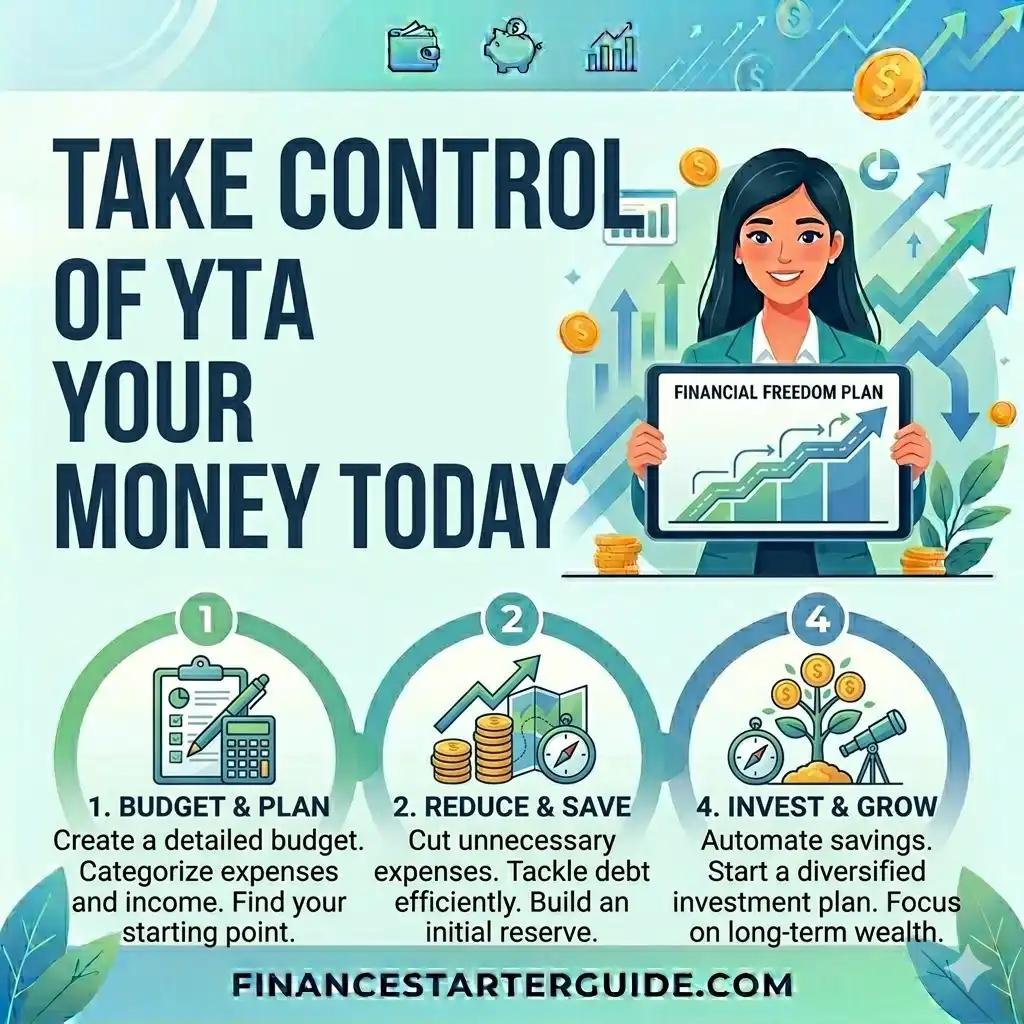
To stop living paycheck to paycheck, you need to track expenses, cut unnecessary spending, build an emergency fund, and increase your income while following a strict budget.
📊 WHY YOU’RE LIVING PAYCHECK TO PAYCHECK
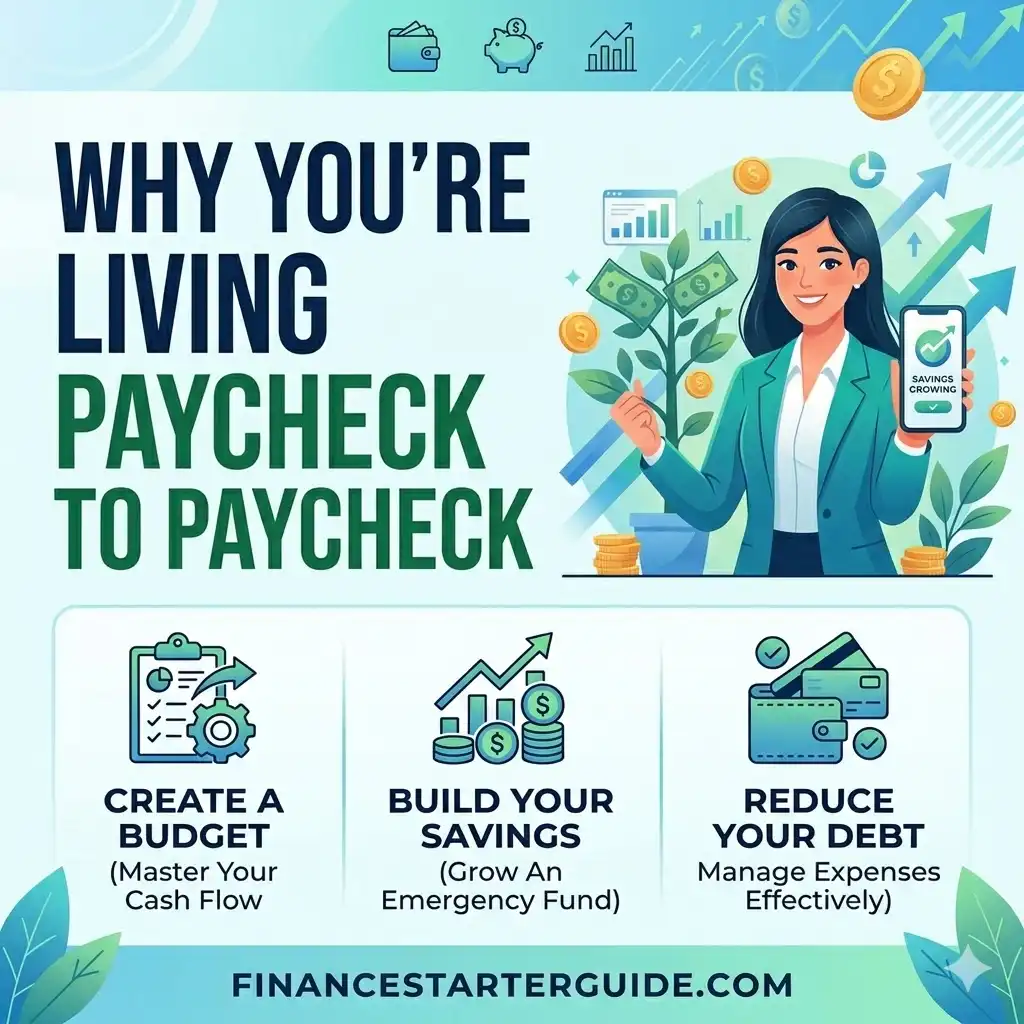
❌ No Budget
Money flows without control
❌ High Expenses
Lifestyle costs too much
❌ Low Savings
No financial cushion
❌ Debt Payments
Interest eats income
👉 It’s usually a combination of these.
📈 STEP-BY-STEP PLAN TO BREAK THE CYCLE
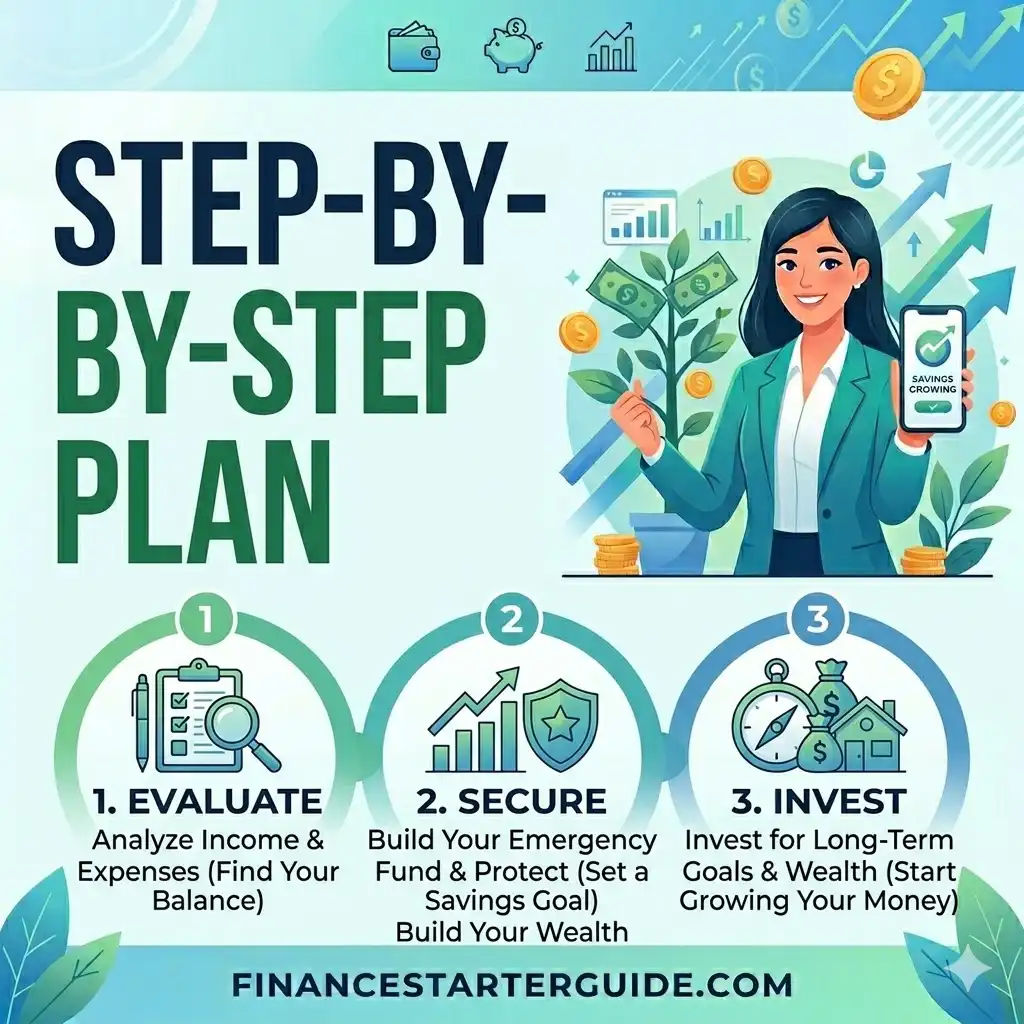
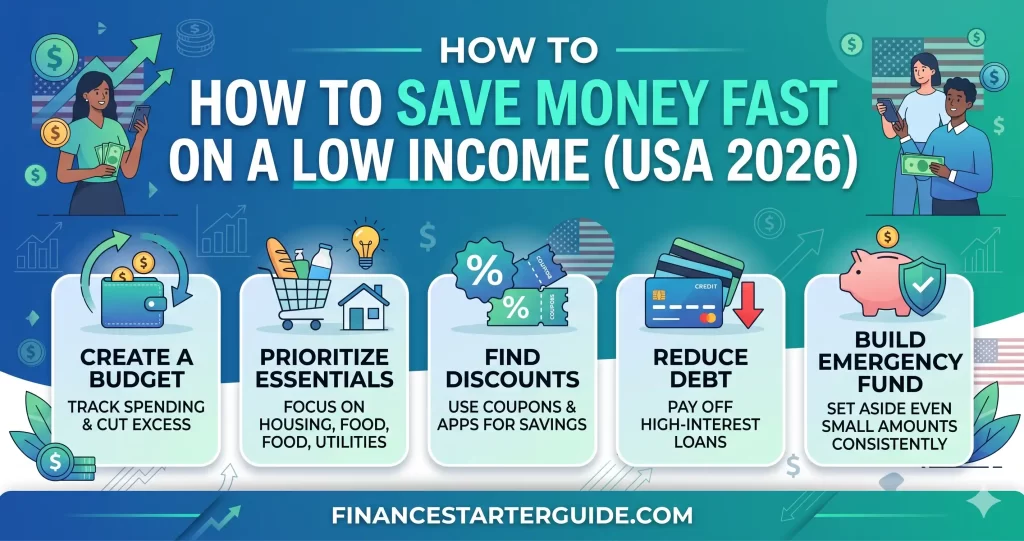
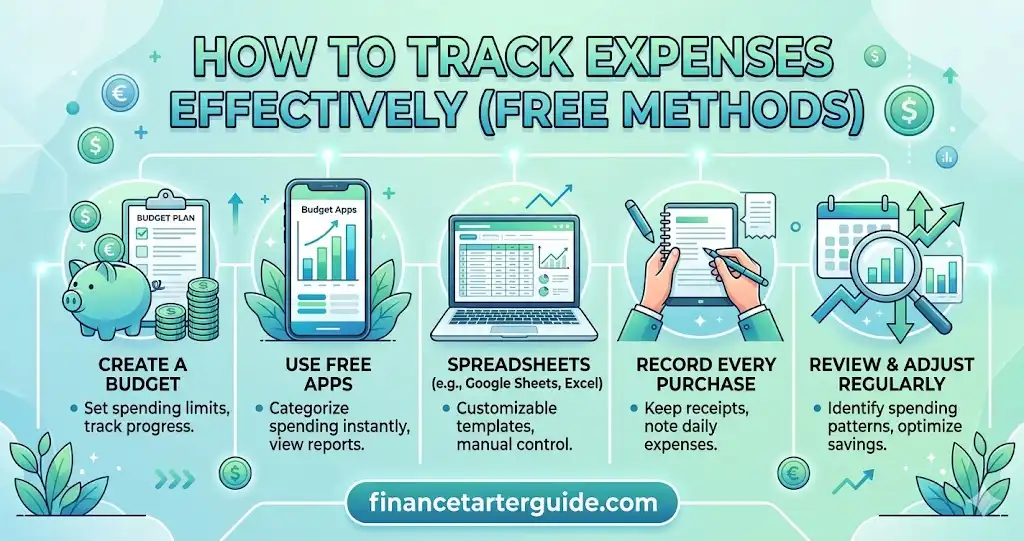
🥇 STEP 1: TRACK EVERY DOLLAR
You can’t fix what you don’t see.
📌 Action Plan:
- Track all expenses for 30 days
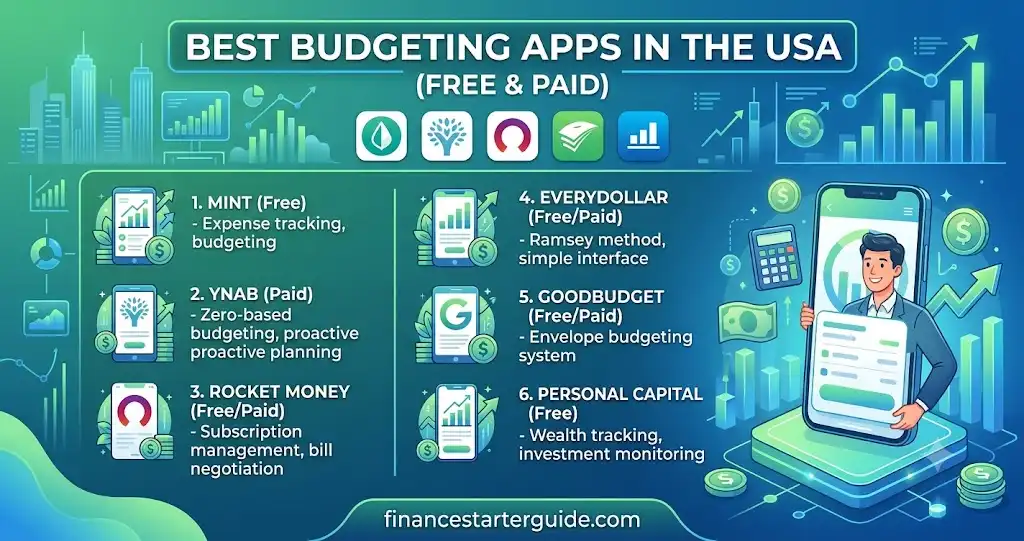
- Use apps or notebook
- Identify waste
👉 Most people find $100–$300 wasted monthly
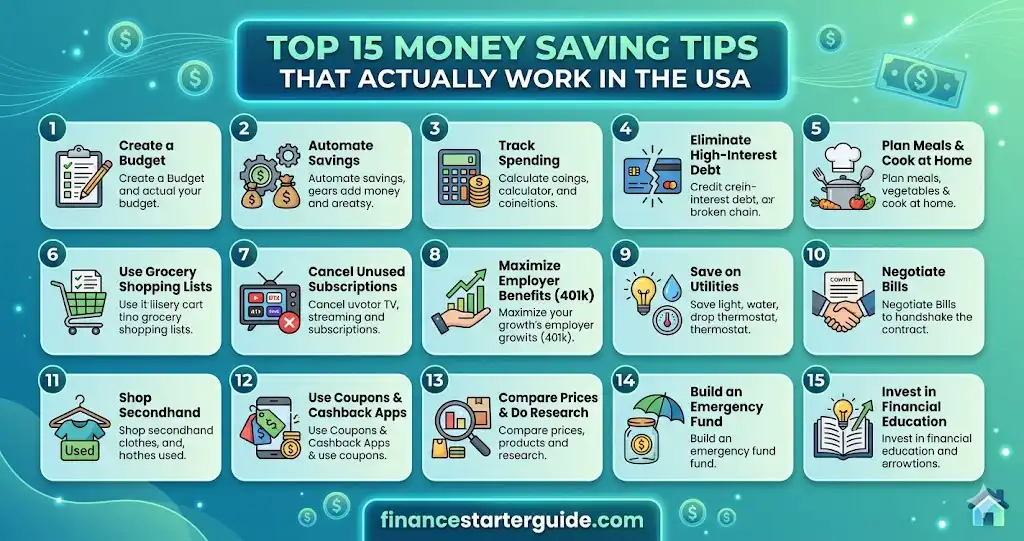
🥈 STEP 2: CREATE A SIMPLE BUDGET
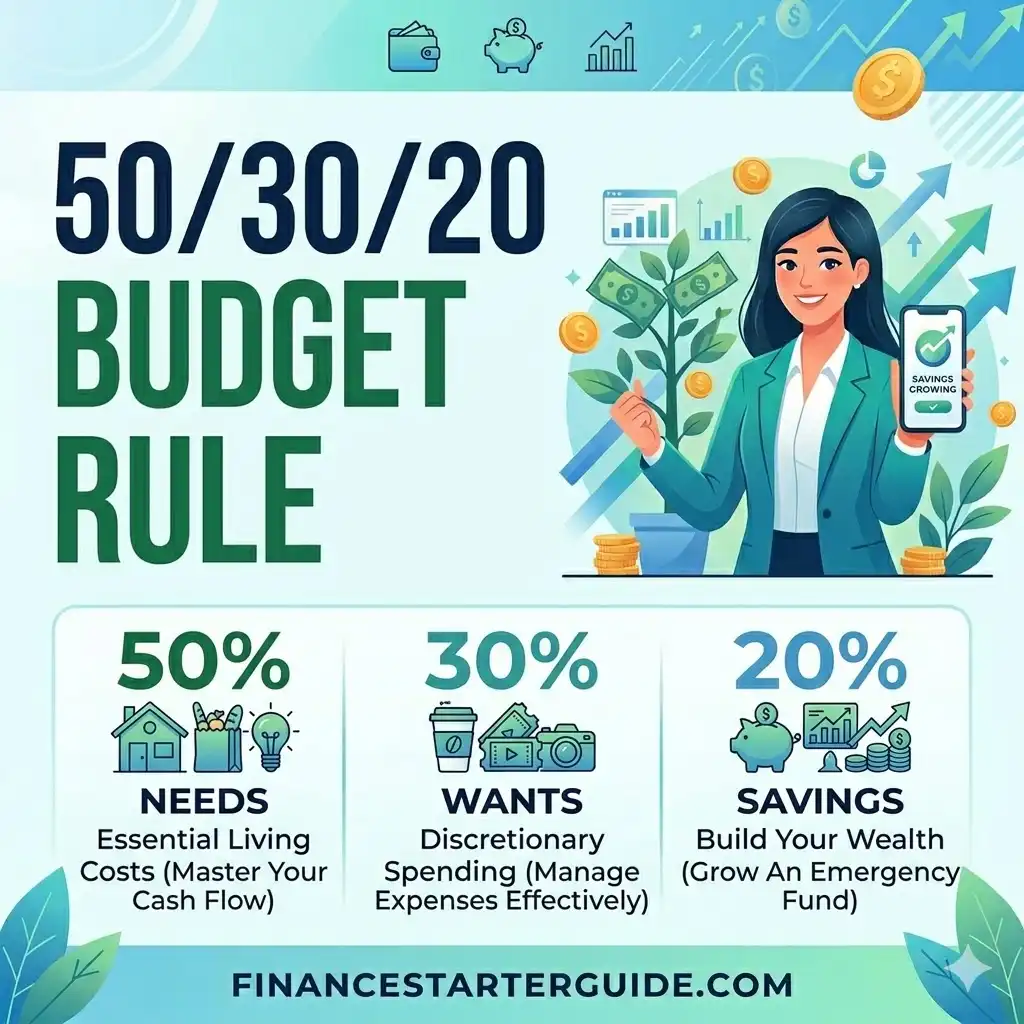
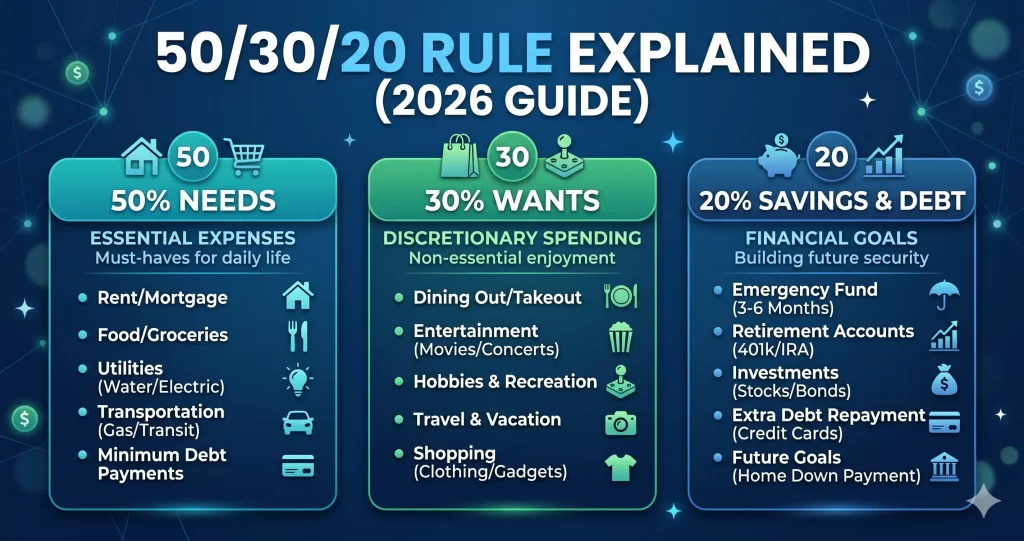
💡 Use 50/30/20 Rule:
- 50% → Needs
- 30% → Wants
- 20% → Savings
👉 Adjust if income is low:
- 70% needs
- 20% wants
- 10% savings
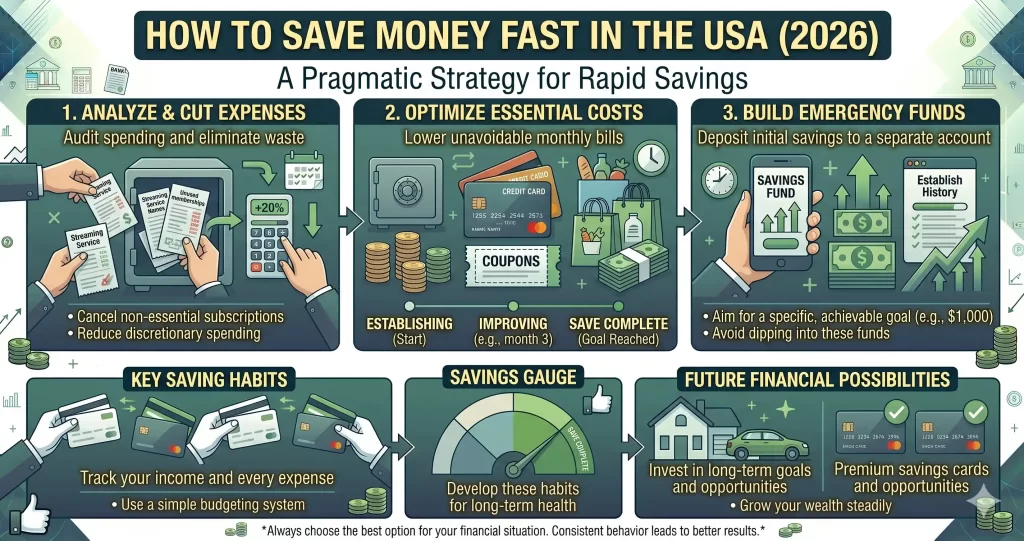
🥉 STEP 3: CUT EXPENSES FAST
🔥 Quick Wins:
- Cancel subscriptions
- Cook at home
- Reduce online shopping
- Use public transport
👉 Even small cuts matter.
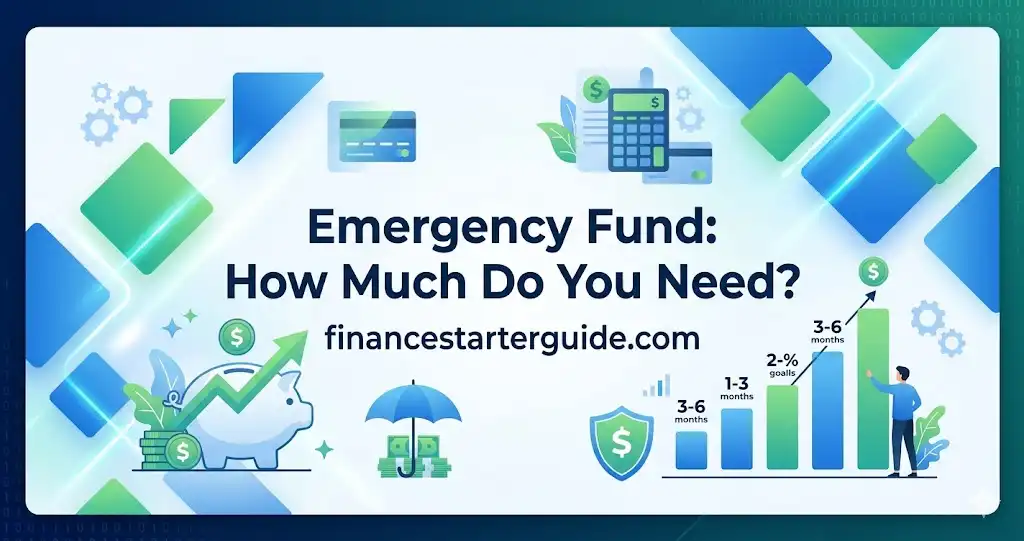
🏆 STEP 4: BUILD A STARTER EMERGENCY FUND
🎯 Goal:
👉 $500–$1000
👉 This prevents:
- Using credit cards
- Going into debt again
💳 STEP 5: CONTROL DEBT
📌 Strategy:
- Pay minimums on all
- Focus extra on one debt (snowball method)
👉 Less debt = more free cash
💰 STEP 6: INCREASE YOUR INCOME
This is where most people struggle — but it’s powerful.
💻 Options:
- Freelancing
- Online gigs
- Selling items
🛠️ Offline:
- Delivery
- Tutoring
- Part-time jobs
👉 Extra $200–$500/month changes everything
📊 STEP 7: CREATE A BUFFER
Goal:
👉 Have 1 month of expenses saved
👉 This means:
You’re no longer dependent on next paycheck
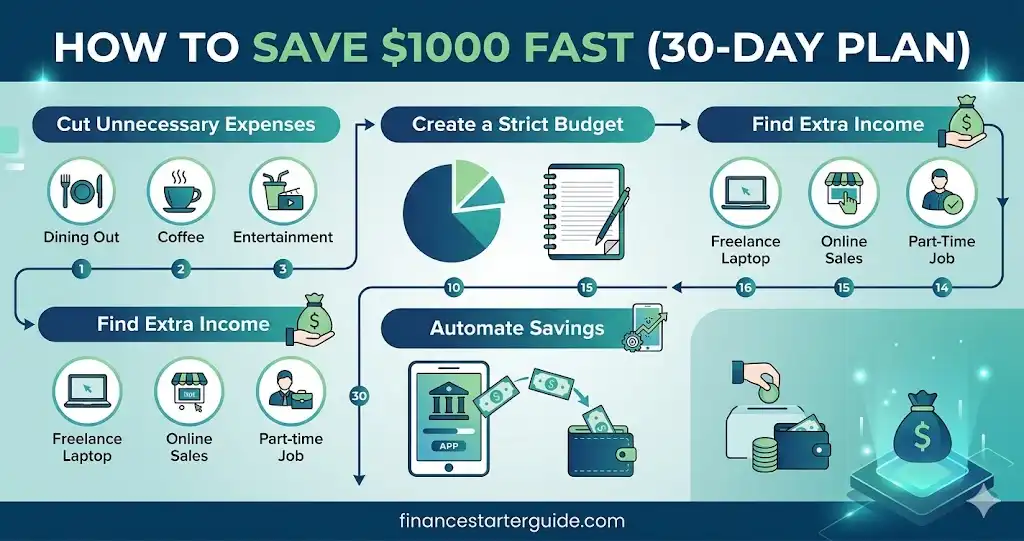
📅 30-DAY BREAKTHROUGH PLAN
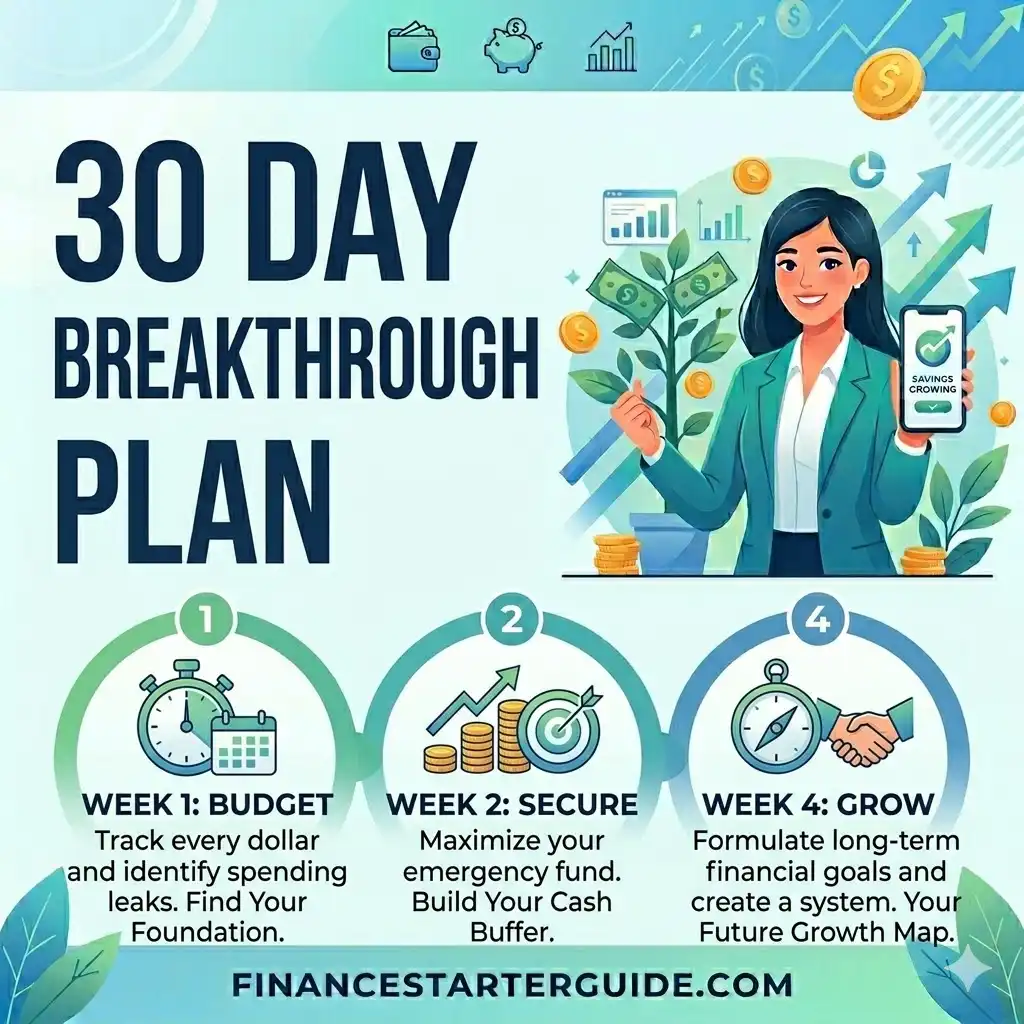
Week 1:
- Track spending
- Cut expenses
👉 Save $100
Week 2:
- Start side income
👉 Save $150
Week 3:
- Budget strictly
👉 Save $200
Week 4:
- No-spend challenge
👉 Save $250+
👉 Total: $700+ saved
⚠️ COMMON MISTAKES
❌ Trying to be perfect
❌ Giving up too early
❌ Ignoring small expenses
❌ Not increasing income
👉 Progress > perfection
📊 REAL EXAMPLE
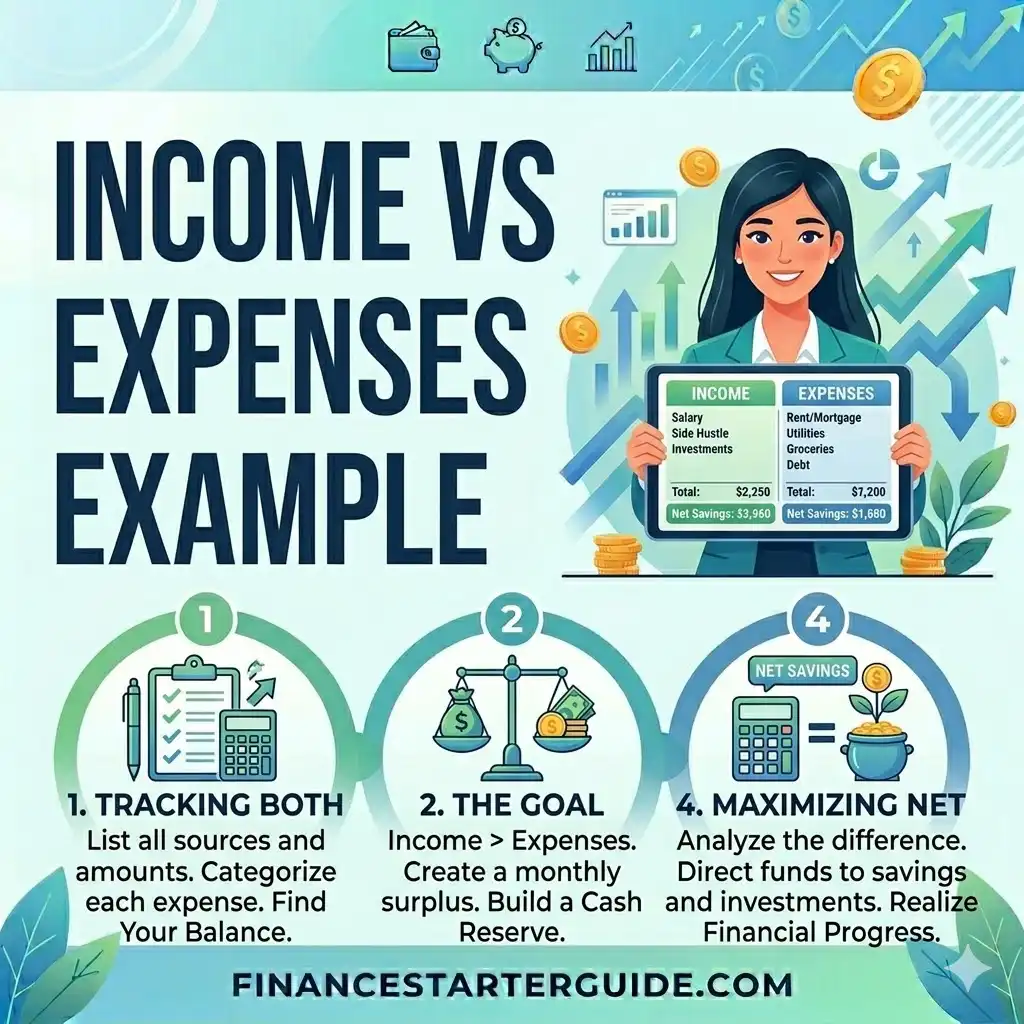
Person A:
- Income: $2,500
- Cuts $300 expenses
- Earns $300 extra
👉 Now has $600/month surplus
👉 Breaks paycheck cycle in 2–3 months
💡 HABITS THAT CHANGE EVERYTHING
✅ Spend less than you earn
✅ Save first, spend later
✅ Avoid impulse buying
✅ Plan purchases
✅ Review finances weekly
🔥 PAYCHECK TO PAYCHECK ESCAPE STRATEGY
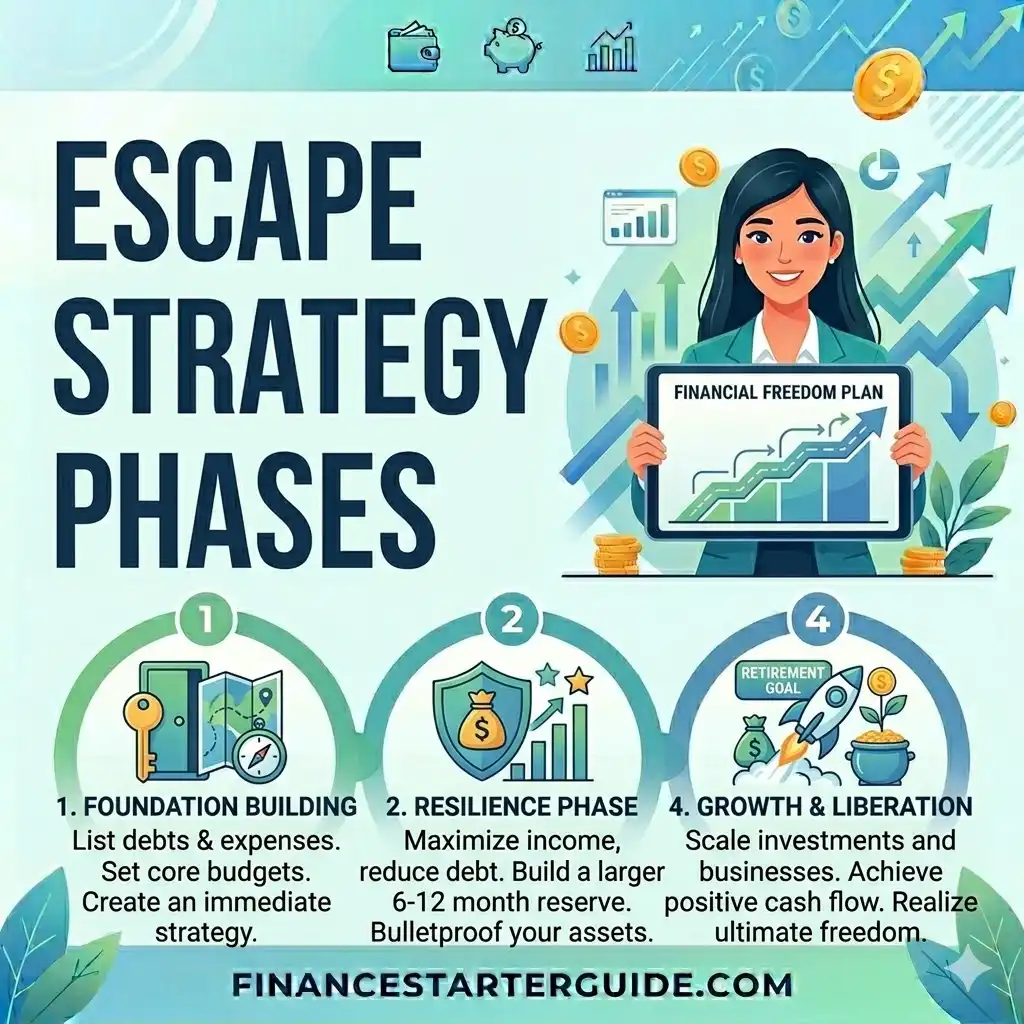
Phase 1: Stabilize
- Track + cut expenses
Phase 2: Build Buffer
- Save $500–$1000
Phase 3: Grow
- Increase income
Phase 4: Freedom
- 1–3 months savings
👉 This is the roadmap
📈 HOW LONG DOES IT TAKE?
- 30 days → improvement
- 2–3 months → control
- 6 months → stability
👉 Depends on consistency
💳 PAYCHECK VS FINANCIAL FREEDOM
Paycheck Life
❌ Stress
❌ No savings
❌ Debt
Financial Control
✅ Savings
✅ Stability
✅ Confidence
👉 The goal is control, not perfection
🧠 FAQ SECTION
Why am I living paycheck to paycheck?
Because of high expenses, low savings, and lack of budgeting.
How can I stop living paycheck to paycheck fast?
Track spending, cut expenses, and increase income.
Is it possible on low income?
Yes, with discipline and smart planning.
How much should I save first?
Start with $500–$1000 emergency fund.
How long does it take to break the cycle?
Typically 1–3 months with consistent effort.
Disclaimer: This article is for educational and informational purposes only and does not constitute financial, investment, tax, or legal advice.
Pingback: Top Loan Apps in the USA (Safe & Legit) 2026 Guide