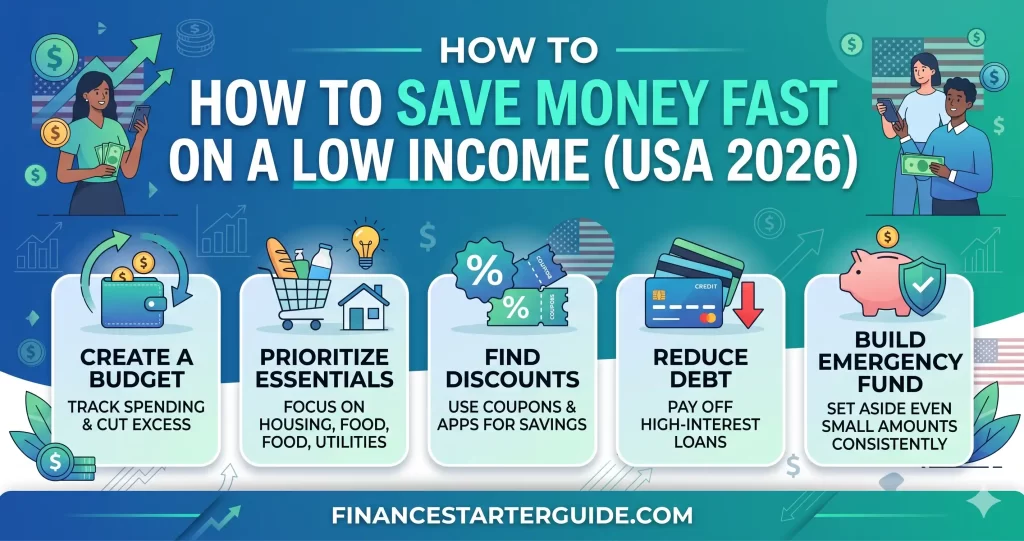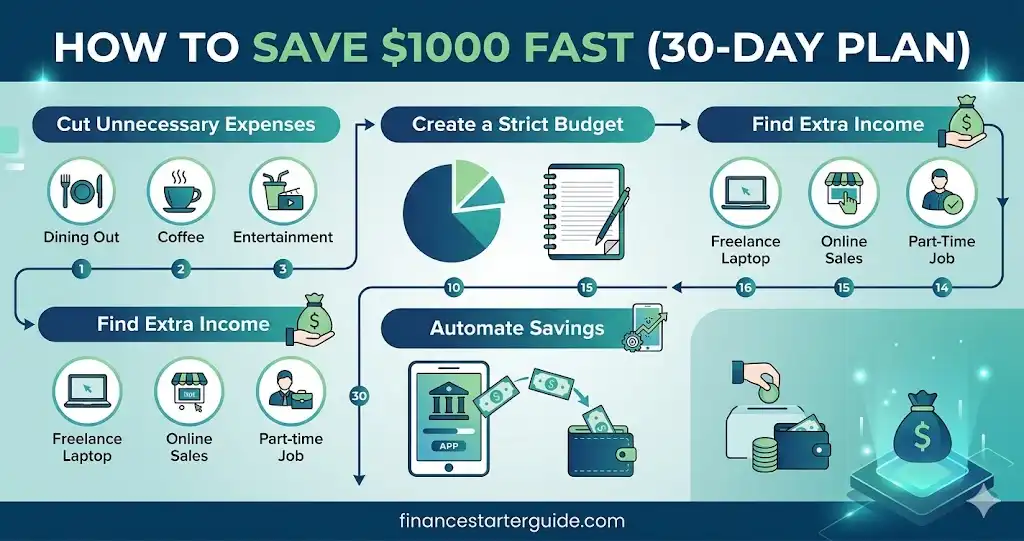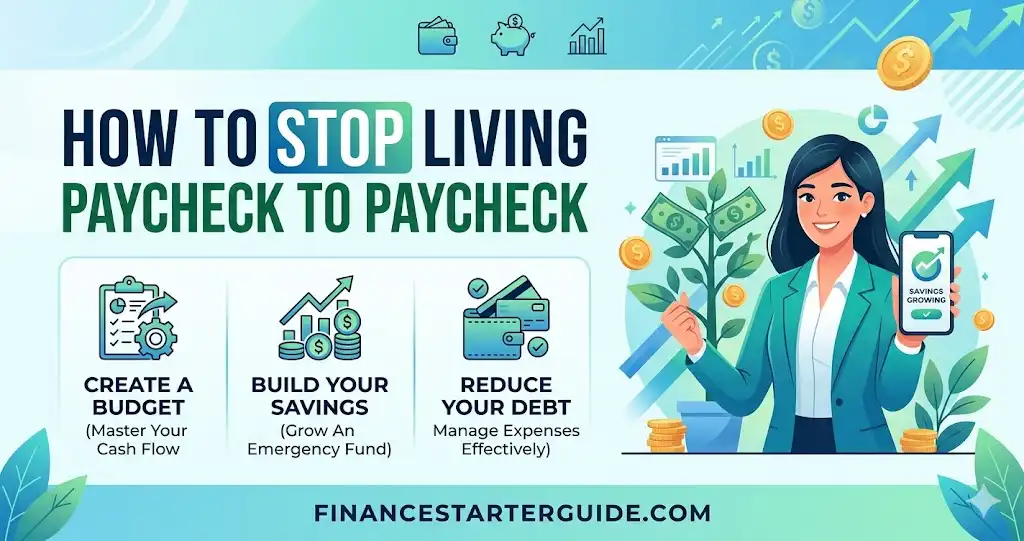
Creating a monthly budget is one of the most effective ways to take control of your finances. Whether you’re trying to save for a vacation, pay off debt, or simply stop living paycheck to paycheck, a budget gives every dollar a purpose.
Many people believe budgeting means cutting out everything enjoyable, but that’s not true. A good budget allows you to spend confidently while still working toward your financial goals.
In this guide, you’ll learn exactly how to create a monthly budget that actually works, avoid common budgeting mistakes, and build a budgeting system you can maintain long-term.
🔥 Quick Answer
How Do You Create a Monthly Budget That Actually Works?
To create a monthly budget that works:
- Calculate your monthly income.
- List all fixed and variable expenses.
- Set savings goals.
- Choose a budgeting method.
- Assign every dollar a job.
- Track spending regularly.
- Review and adjust your budget every month.
A realistic budget helps you spend wisely, save consistently, and reduce financial stress.
Why Monthly Budgeting Is Important
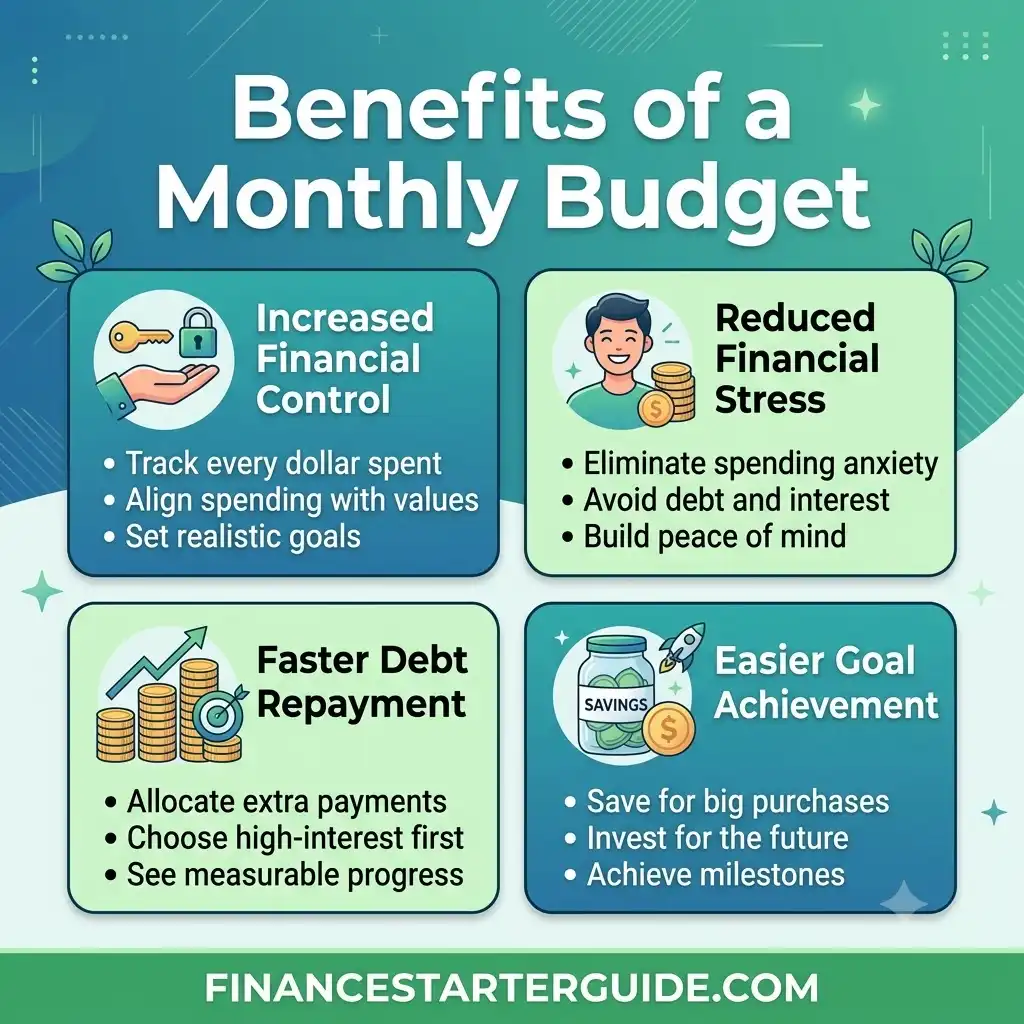
A monthly budget helps you:
- Control spending
- Prevent overspending
- Reach savings goals
- Pay bills on time
- Reduce debt
- Prepare for emergencies
- Improve financial confidence
Budgeting isn’t about restriction—it’s about making informed choices.
Step 1: Calculate Your Monthly Income
Start with your total monthly after-tax income.
Include:
- Salary
- Freelance income
- Side hustle earnings
- Rental income
- Other regular income
If your income varies, use the average from the past 3–6 months.
Example
Monthly Salary: $3,800
Freelance Income: $400
Total Monthly Income: $4,200
Knowing your true income is the foundation of a successful budget.
Step 2: List Every Monthly Expense
Write down every recurring expense.
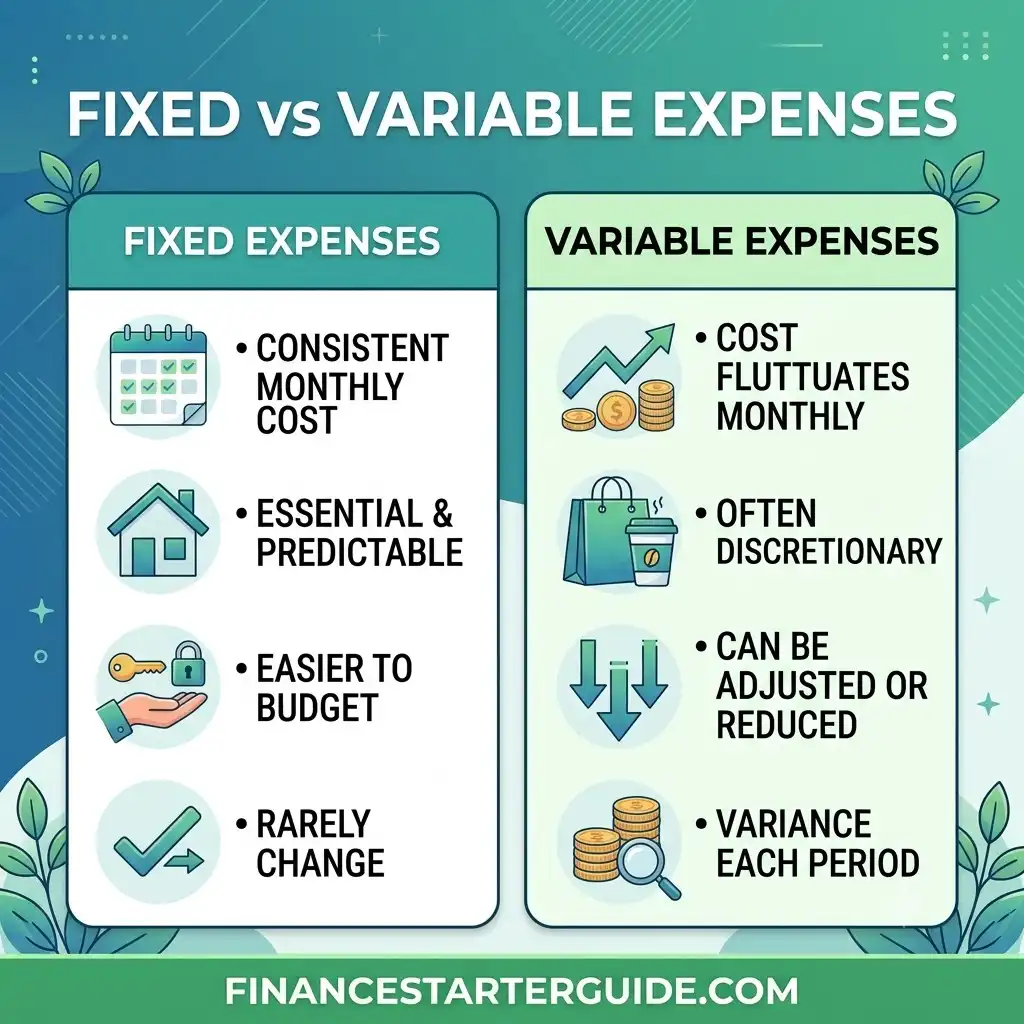
Fixed Expenses
- Rent or mortgage
- Car payment
- Insurance
- Internet
- Phone bill
- Loan payments
Variable Expenses
- Groceries
- Fuel
- Dining out
- Entertainment
- Shopping
- Personal care
Don’t forget occasional expenses like birthdays, annual subscriptions, and vehicle maintenance.
Step 3: Choose a Budgeting Method
There isn’t one perfect budgeting system. Choose one that fits your lifestyle.
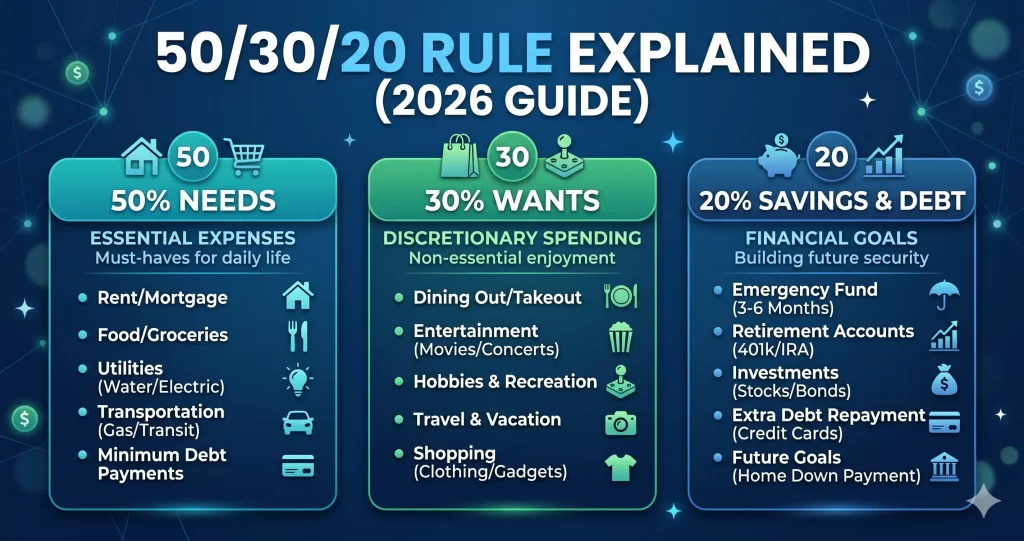
1. 50/30/20 Budget
- 50% Needs
- 30% Wants
- 20% Savings & Debt
2. Zero-Based Budget
Assign every dollar of income a purpose until your remaining balance is zero.
3. Envelope Budget
Set aside a specific amount for spending categories like groceries and entertainment.
Start simple and adjust over time.
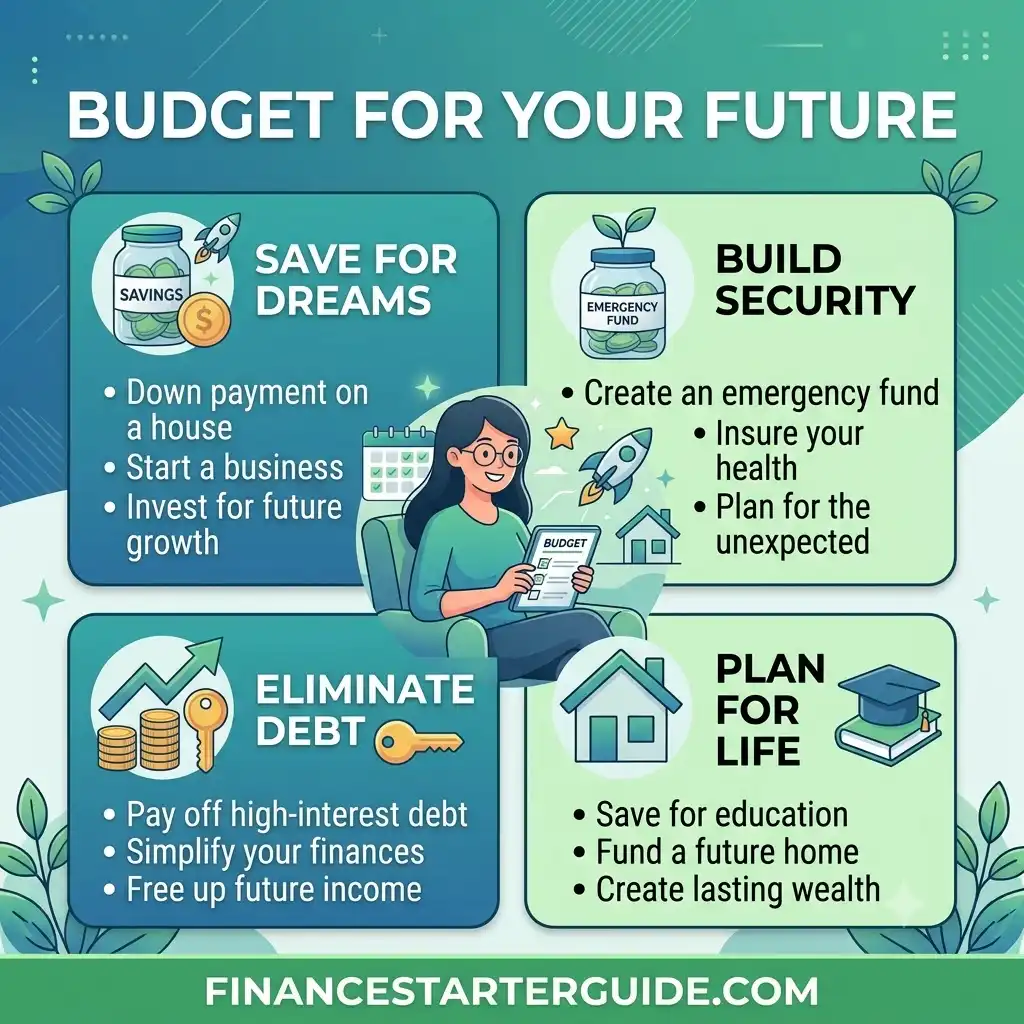
Step 4: Set Savings Goals
Saving should be part of every budget.
Examples:
- Emergency fund
- Vacation
- Home down payment
- Retirement
- Holiday gifts
- New car
Treat savings like a monthly bill.
Step 5: Give Every Dollar a Job
Avoid letting money sit without a purpose.
Assign your income to:
- Housing
- Utilities
- Food
- Transportation
- Savings
- Debt
- Entertainment
This prevents unnecessary spending.
Sample Monthly Budget
| Category | Amount |
|---|---|
| Income | $4,200 |
| Housing | $1,300 |
| Utilities | $250 |
| Groceries | $500 |
| Transportation | $350 |
| Insurance | $180 |
| Entertainment | $250 |
| Savings | $800 |
| Miscellaneous | $570 |
Step 6: Track Your Spending
A budget only works if you follow it.
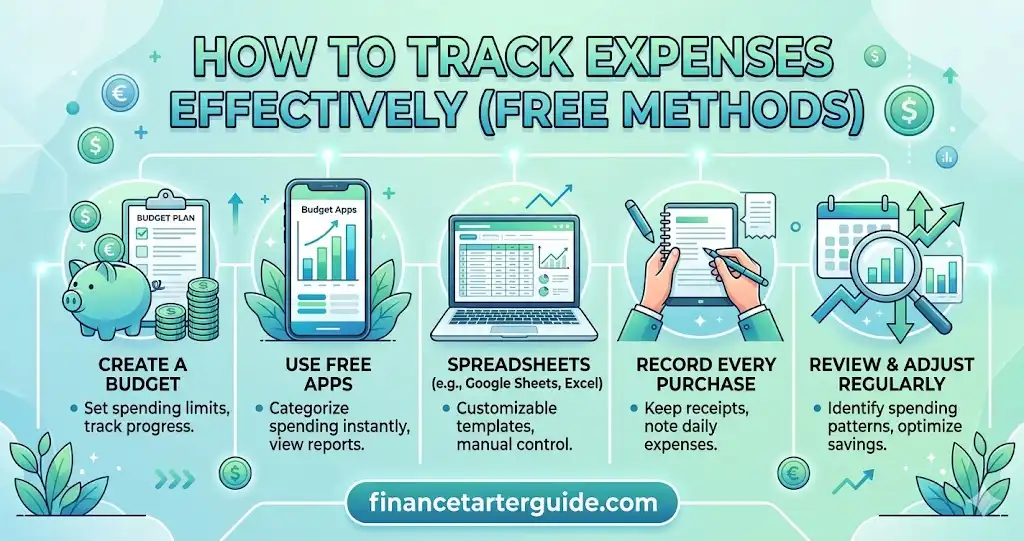
Track expenses using:
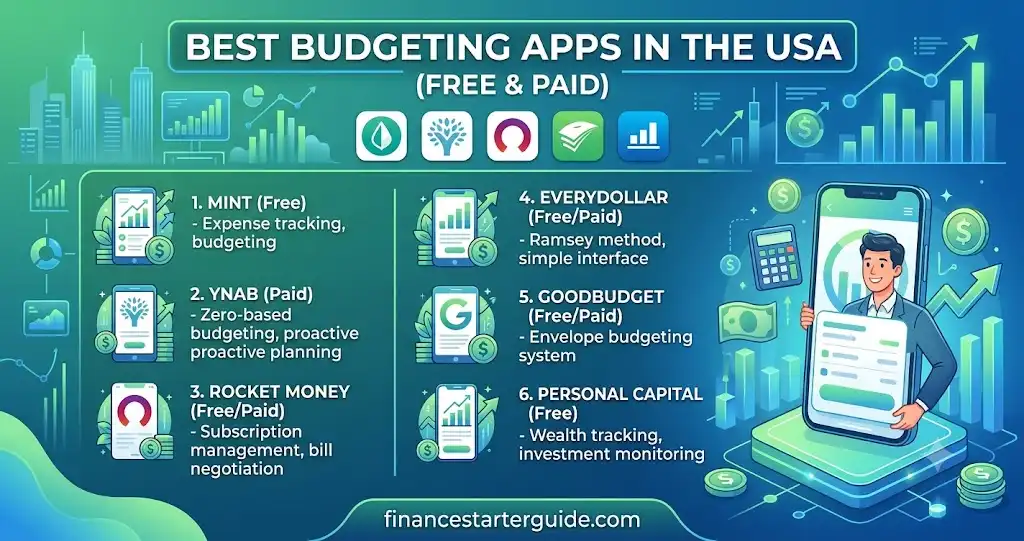
- Budgeting apps
- Spreadsheet
- Notebook
- Bank app
Check your budget weekly to avoid surprises.

Step 7: Reduce Unnecessary Expenses
Review your spending for opportunities to save.
Examples:
- Cancel unused subscriptions
- Eat at home more often
- Buy generic brands
- Shop with a grocery list
- Reduce impulse purchases
Small savings add up over time.
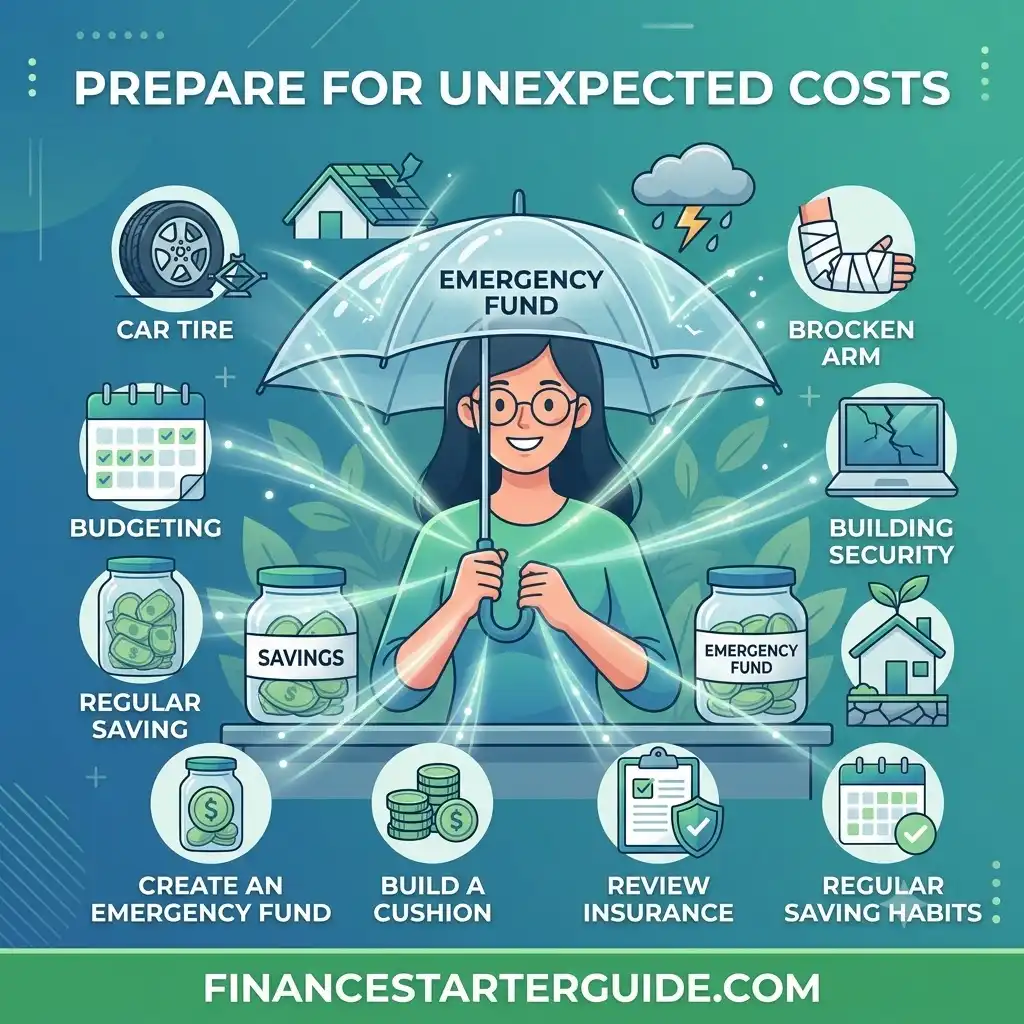
Step 8: Plan for Irregular Expenses
Some expenses don’t happen every month.
Examples:
- Car repairs
- Insurance premiums
- Holidays
- School supplies
- Medical bills
Set aside a little each month to prepare.
Step 9: Review Your Budget Monthly
Your budget should evolve with your life.
Each month:
- Compare planned vs actual spending
- Adjust categories
- Increase savings if possible
- Remove unnecessary expenses
- Celebrate progress
Regular reviews keep your budget effective.
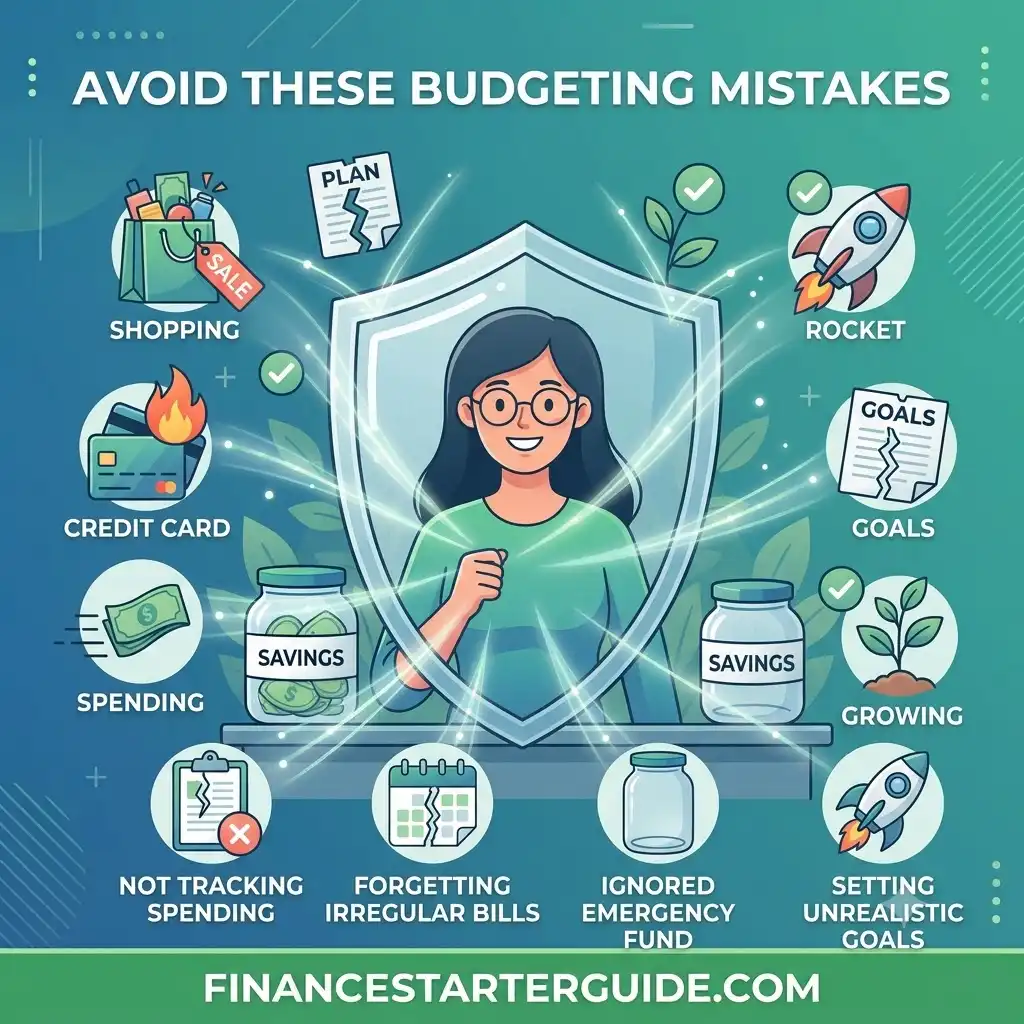
Common Budgeting Mistakes
Avoid these common mistakes:
- Not tracking expenses
- Forgetting annual bills
- Setting unrealistic limits
- Ignoring savings
- Not reviewing the budget
- Overspending on wants
- Giving up after one bad month
Progress matters more than perfection.
Budgeting Tips That Actually Work
✔ Pay yourself first
✔ Automate savings
✔ Use cash for problem spending categories
✔ Review your subscriptions regularly
✔ Set realistic spending limits
✔ Avoid emotional shopping
✔ Track every purchase
✔ Increase savings when income increases
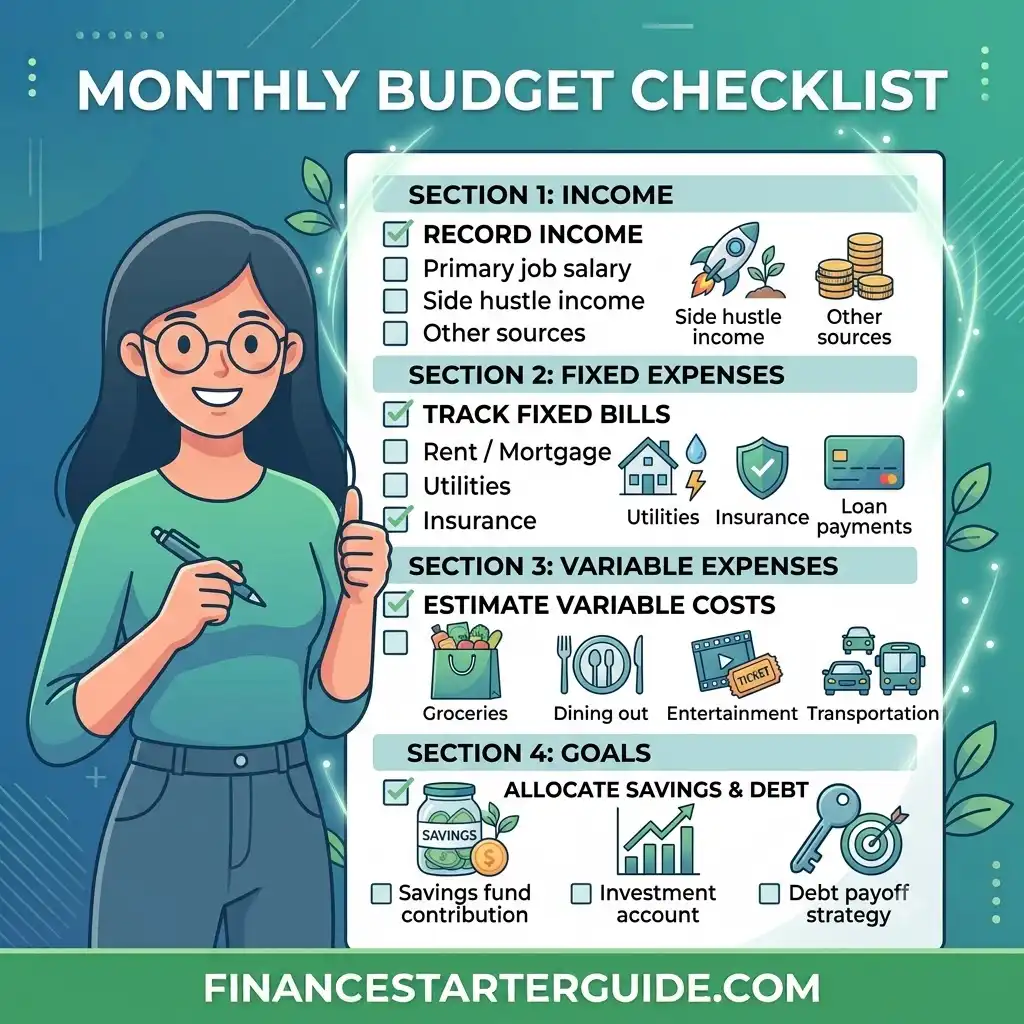
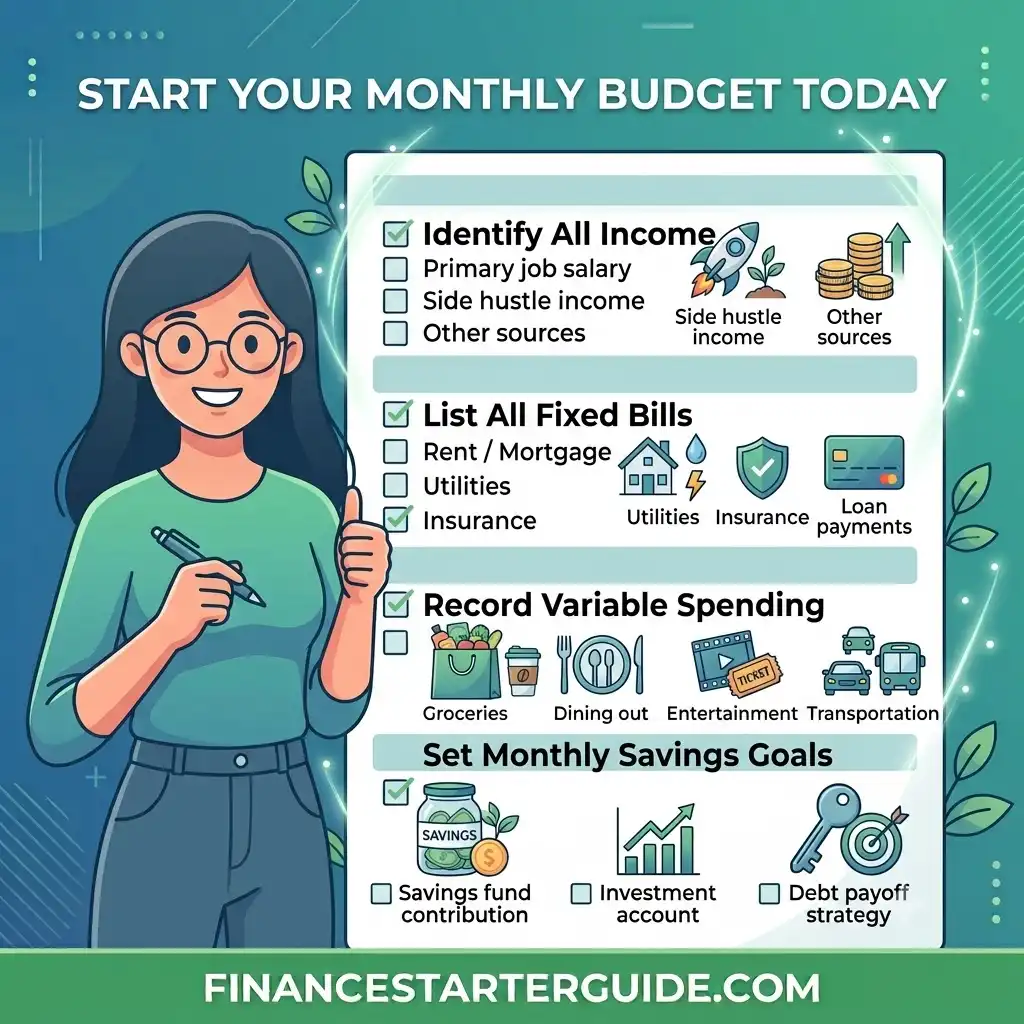
Monthly Budget Checklist
- Calculate income
- List expenses
- Choose a budgeting method
- Set savings goals
- Track spending
- Review weekly
- Adjust monthly
Print this checklist or keep it in your budgeting app for regular reference.
FAQs
How do I create a monthly budget?
Calculate your income, list expenses, set savings goals, choose a budgeting method, and track your spending every month.
What is the best budgeting method?
The best method depends on your preferences. The 50/30/20 Rule is great for beginners, while zero-based budgeting offers more detailed control.
How often should I update my budget?
Review your budget monthly and make adjustments whenever your income or expenses change.
Why do budgets fail?
Budgets often fail because they’re too restrictive, expenses aren’t tracked, or unexpected costs aren’t planned for.
Should I budget even if I have a low income?
Yes. Budgeting is valuable at every income level because it helps prioritize spending and build savings.
Conclusion
A monthly budget isn’t about limiting your life—it’s about giving yourself greater financial freedom.
Start with your income, plan your expenses, save consistently, and review your progress every month. Over time, these small actions can help you reduce stress, achieve your financial goals, and build lasting financial security.
Remember, the best budget is the one you can stick with consistently.
- What Is a Budget? (USA Beginner Guide)
- 50/30/20 Rule Explained
- Best Budgeting Apps in the USA
- How to Track Expenses Effectively
- How to Build Good Financial Habits That Stick
- How to Increase Your Savings Without Increasing Income
- Emergency Fund: How Much Do You Really Need?
- How to Avoid Common Money Mistakes in Your 20s
Disclaimer: This article is for educational and informational purposes only and does not constitute financial, investment, tax, or legal advice.