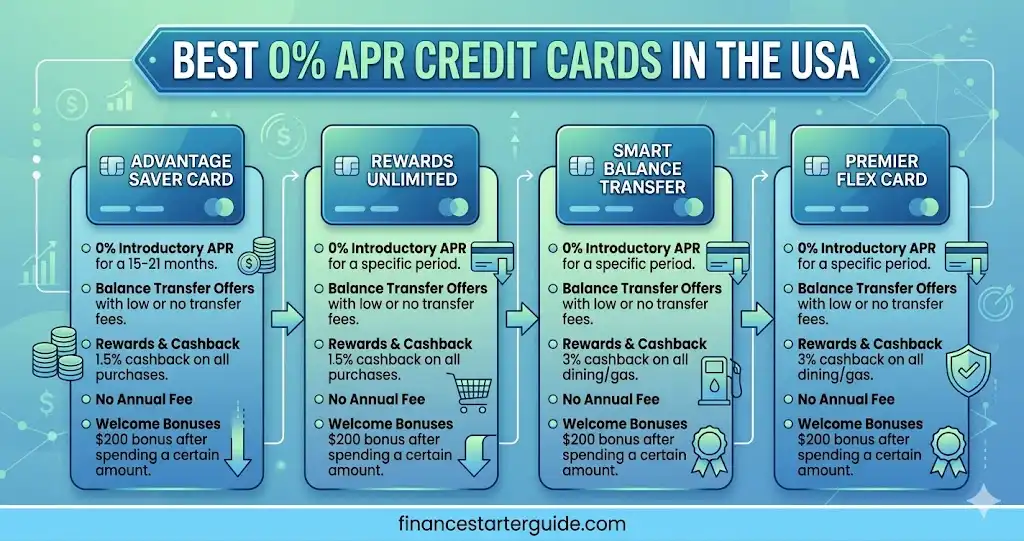
High-interest credit card debt can quickly become expensive. If you’re paying 20% or more in annual interest, a balance transfer credit card may help you save money while paying down your debt faster.
Many balance transfer cards offer an introductory 0% APR period, allowing you to move existing balances from another card and pay no interest during the promotional period (subject to the card’s terms). This can make it easier to reduce your principal instead of watching interest charges accumulate.
This guide covers some of the best balance transfer credit cards available in the USA, explains how balance transfers work, compares important features, and shares strategies to help you pay off debt efficiently.
🔥 Quick Answer
What Are the Best Balance Transfer Credit Cards in the USA?
Some of the most popular balance transfer credit cards include:
- Citi Simplicity® Card
- Wells Fargo Reflect® Card
- Discover it® Balance Transfer
- BankAmericard® Credit Card
- U.S. Bank Visa® Platinum Card
- Chase Slate Edge℠
- Citi Diamond Preferred® Card
These cards are well known for introductory balance transfer offers, though eligibility, transfer fees, and promotional periods vary by issuer and over time.
Why Use a Balance Transfer Card?
Benefits include:
- Reduce interest expenses
- Pay off debt faster
- Simplify multiple credit card balances
- Improve monthly cash flow
- Potentially improve your credit utilization over time
What Is a Balance Transfer?
A balance transfer allows you to move debt from one credit card to another.
Example
Current balance:
- Credit Card A: $5,000
- Interest Rate: 25%
Transfer to:
- Credit Card B
- Introductory 0% APR period
Instead of paying high interest, more of your payment goes toward reducing the balance.
Remember that many balance transfer cards charge a one-time balance transfer fee, so compare the overall cost before applying.
How Balance Transfer Credit Cards Work
Typical process:
- Apply for a balance transfer card.
- Receive approval.
- Request the transfer.
- The new issuer pays the previous issuer.
- Repay the transferred balance during the promotional APR period if possible.
🏆 Best Balance Transfer Credit Cards (Real Credit Card List)
1. Citi Simplicity® Card
Best For
Long introductory balance transfer offers.
Pros
- Introductory balance transfer offer
- No late fees (per card terms)
- No annual fee
Cons
- Balance transfer fee may apply
- Good to excellent credit generally recommended
Ideal For
People focused on paying down existing credit card debt.
2. Wells Fargo Reflect® Card
Best For
Long introductory APR offers.
Pros
- Introductory APR offer
- No annual fee
Cons
- Limited rewards program
Best For
Large balances requiring additional payoff time
3. Discover it® Balance Transfer
Best For
People who also want cashback rewards.
Pros
- Cashback program
- Introductory balance transfer offer
- No annual fee
Cons
- Promotional periods vary
Best For
Consumers looking for both rewards and debt repayment.
4. BankAmericard® Credit Card
Best For
Simple balance transfers.
Pros
- No annual fee
- Introductory APR offers
Cons
- Limited rewards
5. U.S. Bank Visa® Platinum Card
Best For
Paying off debt over time.
Pros
- Introductory APR offer
- No annual fee
Cons
- Limited rewards
6. Chase Slate Edge℠
Best For
Managing existing credit card debt.
Pros
- Introductory APR offers (when available)
- Credit line review opportunities
Cons
- Limited rewards
7. Citi Diamond Preferred® Card
Best For
Debt repayment.
Pros
- Introductory APR offer
- No annual fee
Cons
- No cashback rewards
📊 Comparison Table
| Credit Card | Best For | Annual Fee |
|---|---|---|
| Citi Simplicity® | Long intro APR | $0 |
| Wells Fargo Reflect® | Long payoff period | $0 |
| Discover it® Balance Transfer | Rewards + transfers | $0 |
| BankAmericard® | Simplicity | $0 |
| U.S. Bank Visa® Platinum | Large balances | $0 |
| Chase Slate Edge℠ | Debt management | $0 |
| Citi Diamond Preferred® | Paying down debt | $0 |
Who Should Consider a Balance Transfer Card?
A balance transfer card may be a good option if you:
- Have high-interest credit card debt
- Can realistically pay off the balance during the introductory period
- Have a credit profile that qualifies
- Want to simplify multiple credit card payments
It may be less suitable if you expect to continue adding new debt or cannot make regular payments.
How to Choose the Right Card
Consider:
- Length of introductory APR
- Balance transfer fee
- Annual fee
- Regular APR after the introductory period
- Customer service
- Mobile app experience
How to Maximize a Balance Transfer
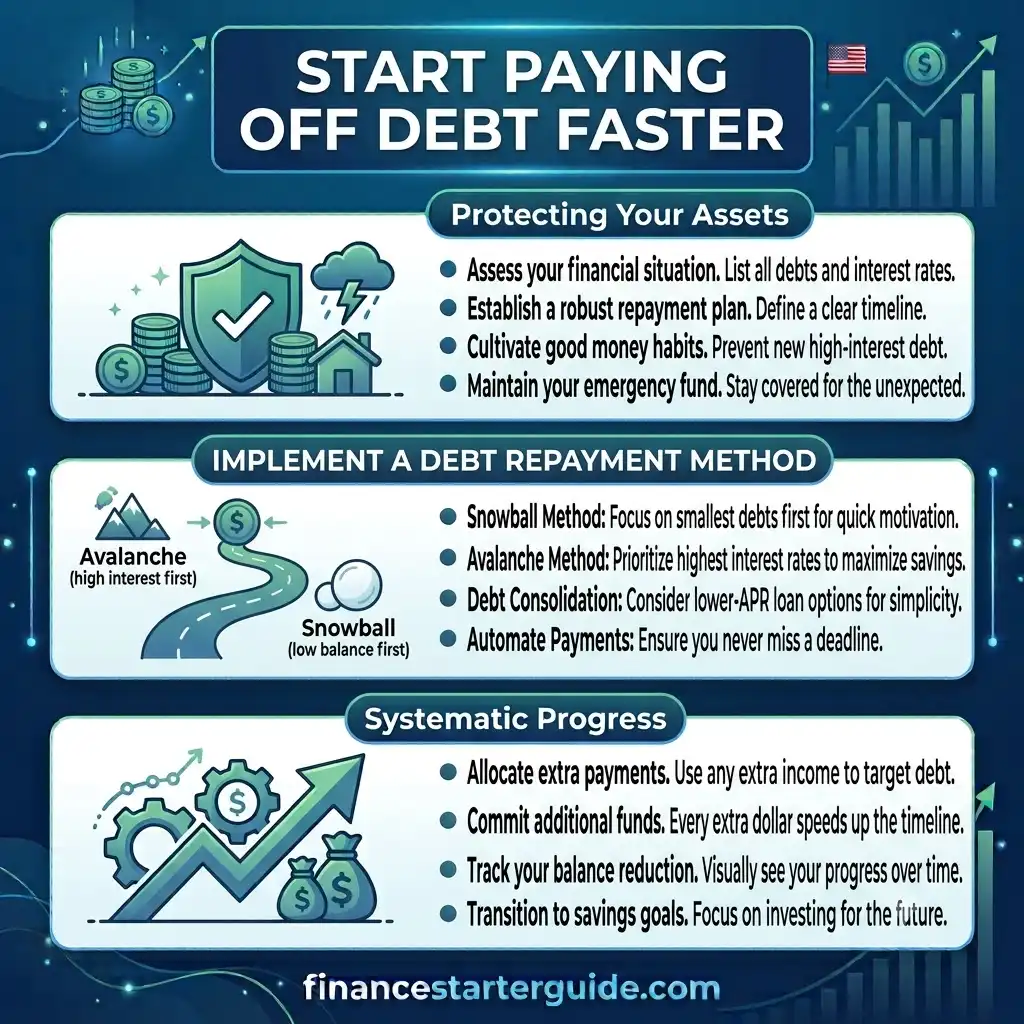
- Stop using the old credit card for new purchases.
- Make payments every month.
- Pay more than the minimum whenever possible.
- Create a payoff plan before the introductory APR ends.
- Avoid missing payments, which could affect promotional terms.
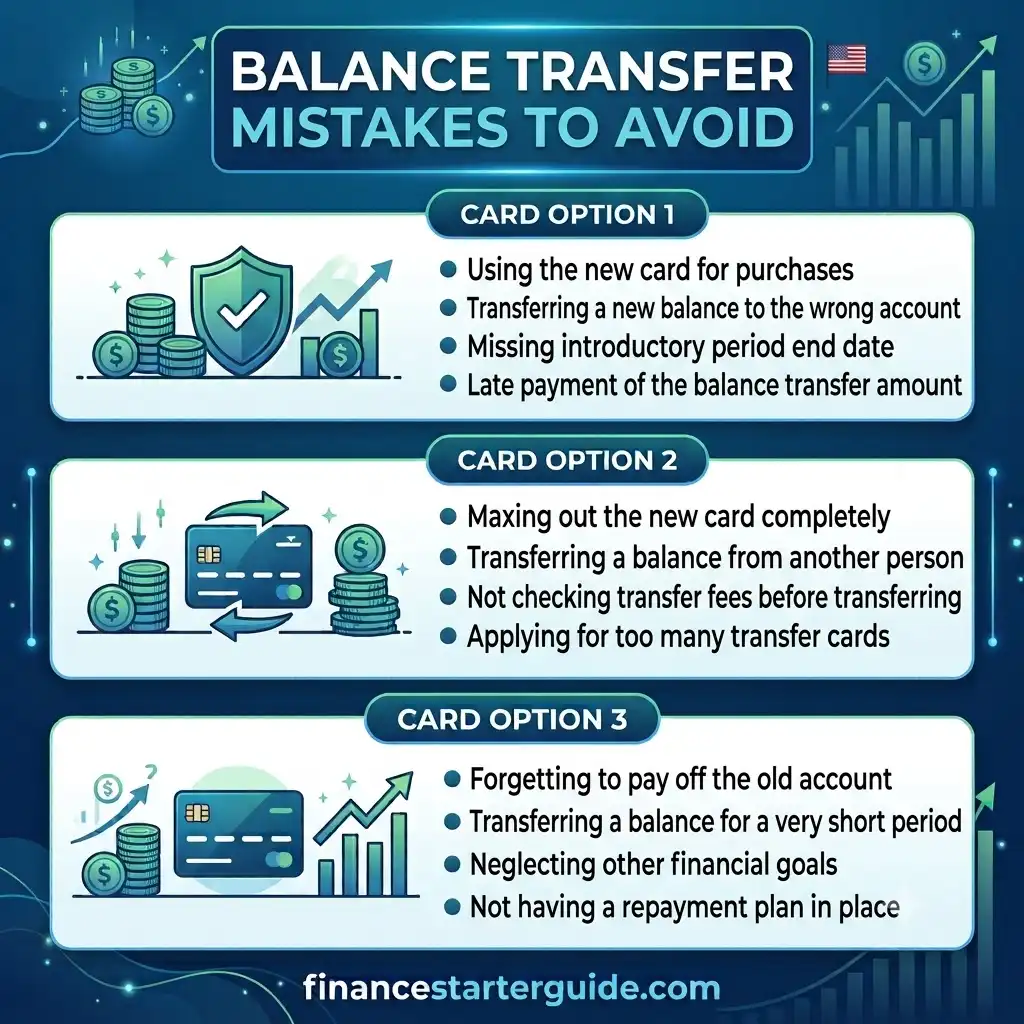
Common Mistakes to Avoid
❌ Transferring debt without a repayment plan
❌ Ignoring balance transfer fees
❌ Missing monthly payments
❌ Continuing to spend on existing cards
❌ Applying for too many credit cards at once
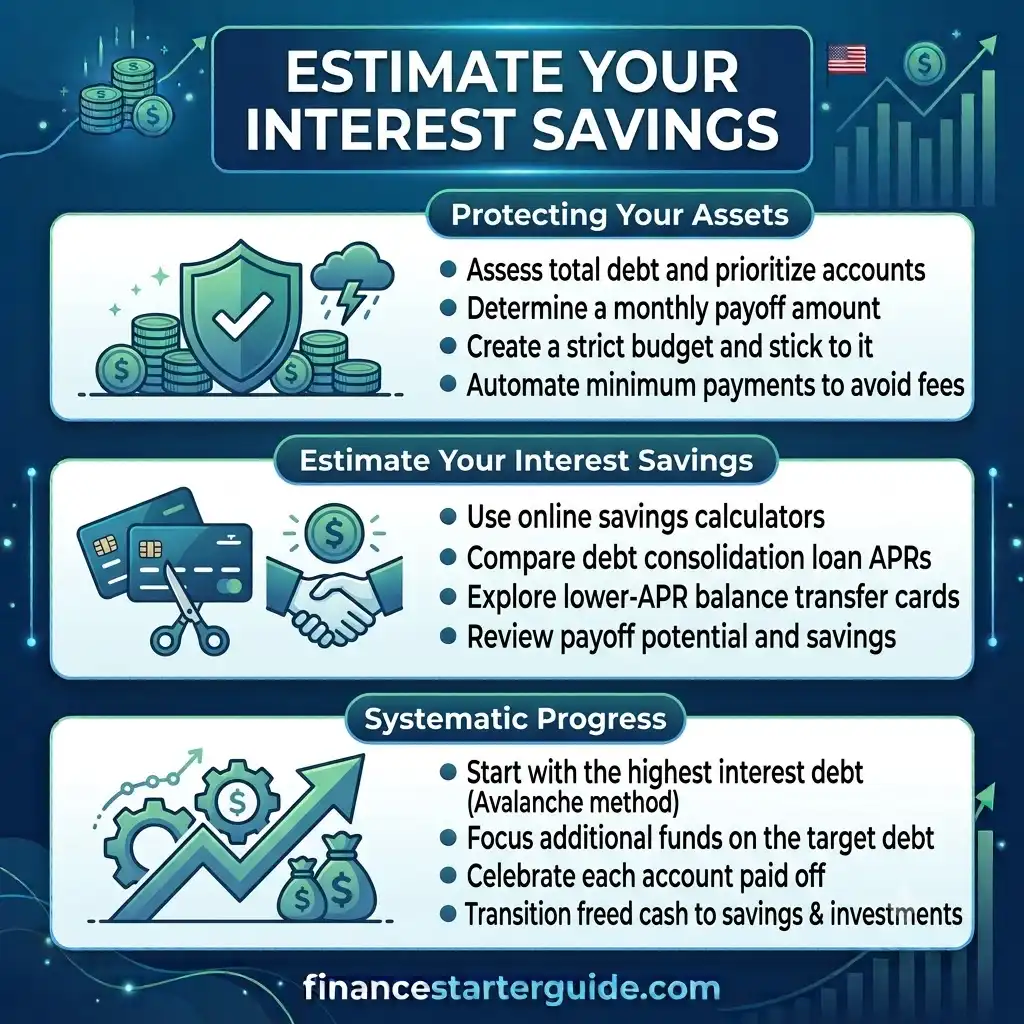
Example Debt Payoff Plan
Balance: $6,000
Promotional APR period: 18 months
Monthly payment goal:
Approximately $334 per month would repay the balance before the promotional period ends (excluding any transfer fee).
FAQs
What is a balance transfer credit card?
A balance transfer credit card lets you move existing credit card debt to a new card, often with an introductory low or 0% APR period.
Does a balance transfer hurt your credit score?
A new application may cause a temporary decrease due to a hard inquiry, but responsible repayment can improve your credit profile over time.
Are balance transfer cards worth it?
They can be worthwhile if the savings from reduced interest outweigh any balance transfer fees and you pay off the balance during the promotional period.
Can I transfer balances between cards from the same bank?
Often no. Many issuers do not allow transfers between their own credit cards, so check the issuer’s terms.

Conclusion
A balance transfer credit card can be a powerful tool for reducing interest costs and accelerating debt repayment when used responsibly.
Before choosing a card:
- Compare introductory APR periods.
- Understand transfer fees.
- Build a realistic payoff plan.
- Avoid taking on new debt.
The best balance transfer card is the one that aligns with your repayment strategy and helps you become debt-free sooner.
- Best Cashback Credit Cards in the USA
- Best Credit Cards for Beginners in the USA
- Best Secured Credit Cards in the USA
- What Is a Credit Score in the USA?
- Credit Utilization Explained
- Hard Inquiry vs Soft Inquiry
- Debt Snowball vs Debt Avalanche
Disclaimer: This article is for educational and informational purposes only and does not constitute financial, investment, tax, or legal advice.