
If there’s one financial habit that can completely change your life, it’s this:
👉 Building an emergency fund
Yet most people don’t know:
- How much they actually need
- Where to keep it
- How to build it quickly
This guide breaks it down in a simple, realistic way.
🔥 QUICK ANSWER
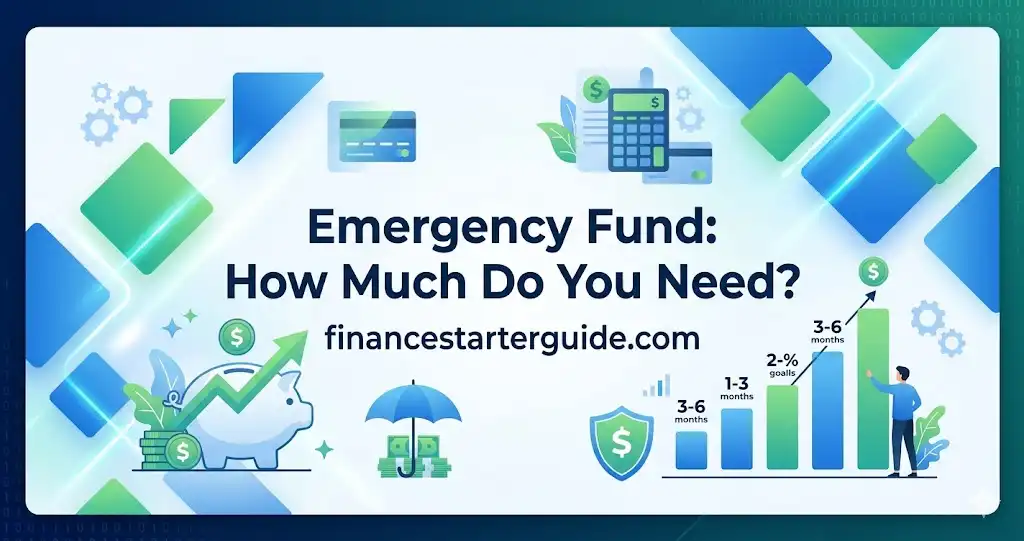
You should have an emergency fund equal to 3–6 months of living expenses. Beginners can start with $500–$1,000 as a starter emergency fund.
📊 WHAT IS AN EMERGENCY FUND?
An emergency fund is money saved specifically for unexpected expenses like:
- Medical emergencies
- Job loss
- Car repairs
- Home repairs
👉 It is not for regular spending or shopping
💡 WHY YOU NEED AN EMERGENCY FUND
Without savings, emergencies lead to:
❌ Credit card debt
❌ High-interest loans
❌ Financial stress
With an emergency fund:
✅ You stay financially secure
✅ Avoid debt
✅ Handle problems calmly
📈 HOW MUCH EMERGENCY FUND DO YOU REALLY NEED?
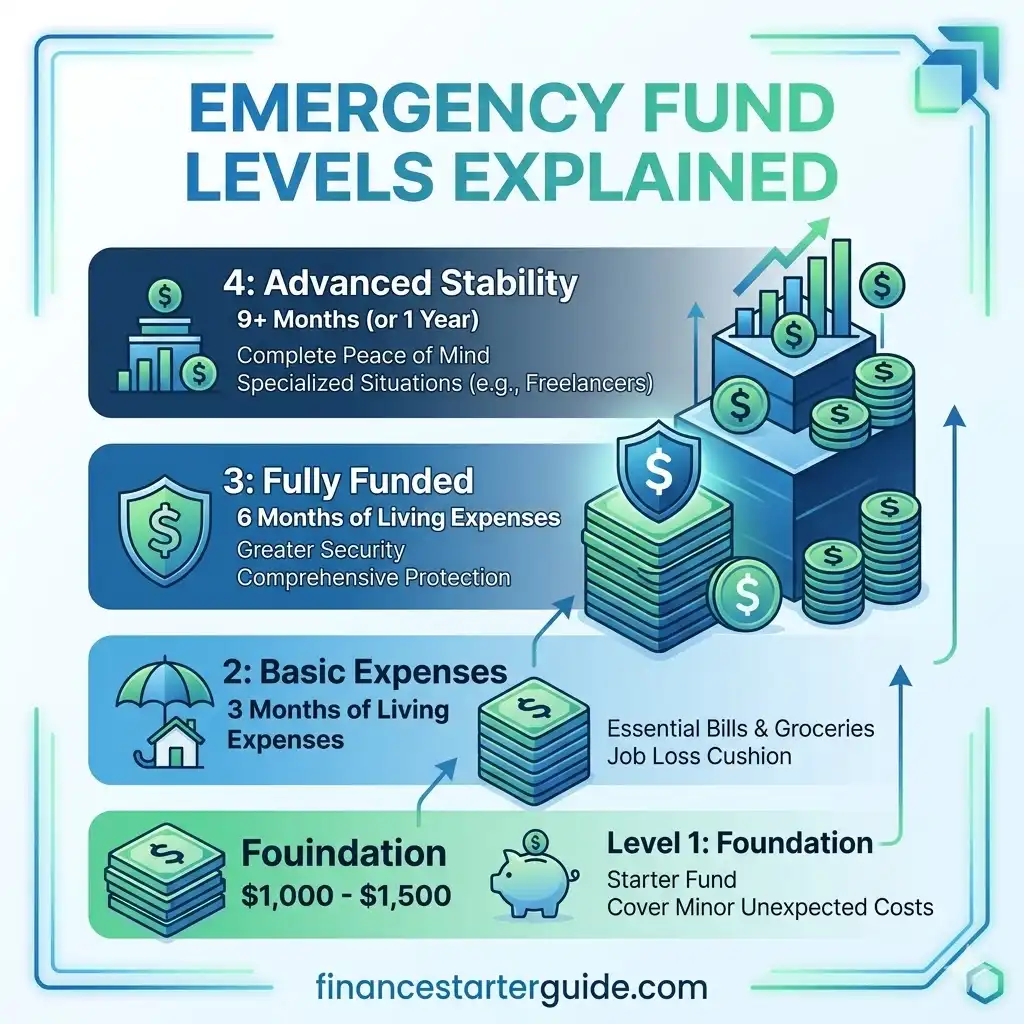
🟢 Beginner Level: $500–$1,000
👉 Best if:
- You’re starting from zero
- Low income
🟡 Intermediate Level: 3 Months Expenses
👉 Covers:
- Rent
- Food
- Bills
🔴 Advanced Level: 6 Months Expenses
👉 Ideal for:
- Job loss
- Major emergencies
⚫ High Security Level: 9–12 Months
👉 Recommended if:
- Self-employed
- Unstable income
📊 HOW TO CALCULATE YOUR EMERGENCY FUND
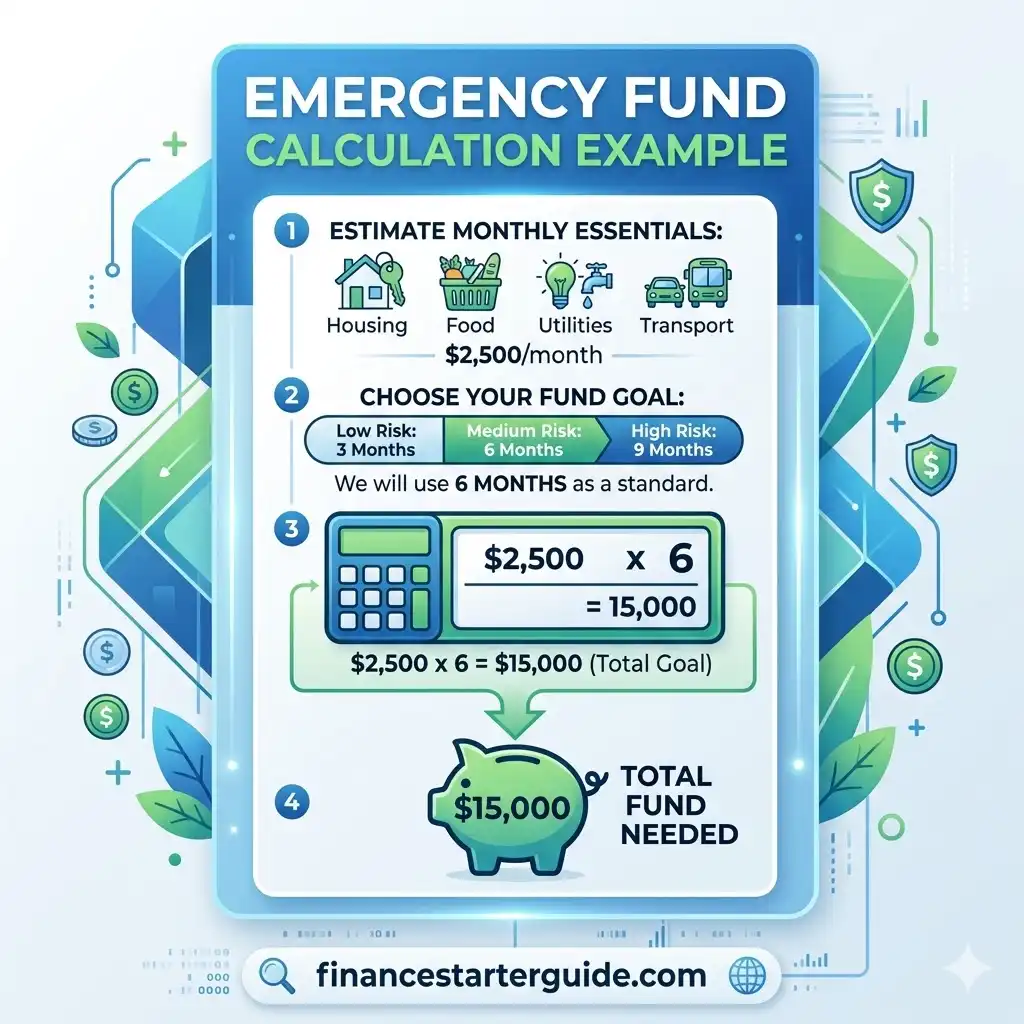
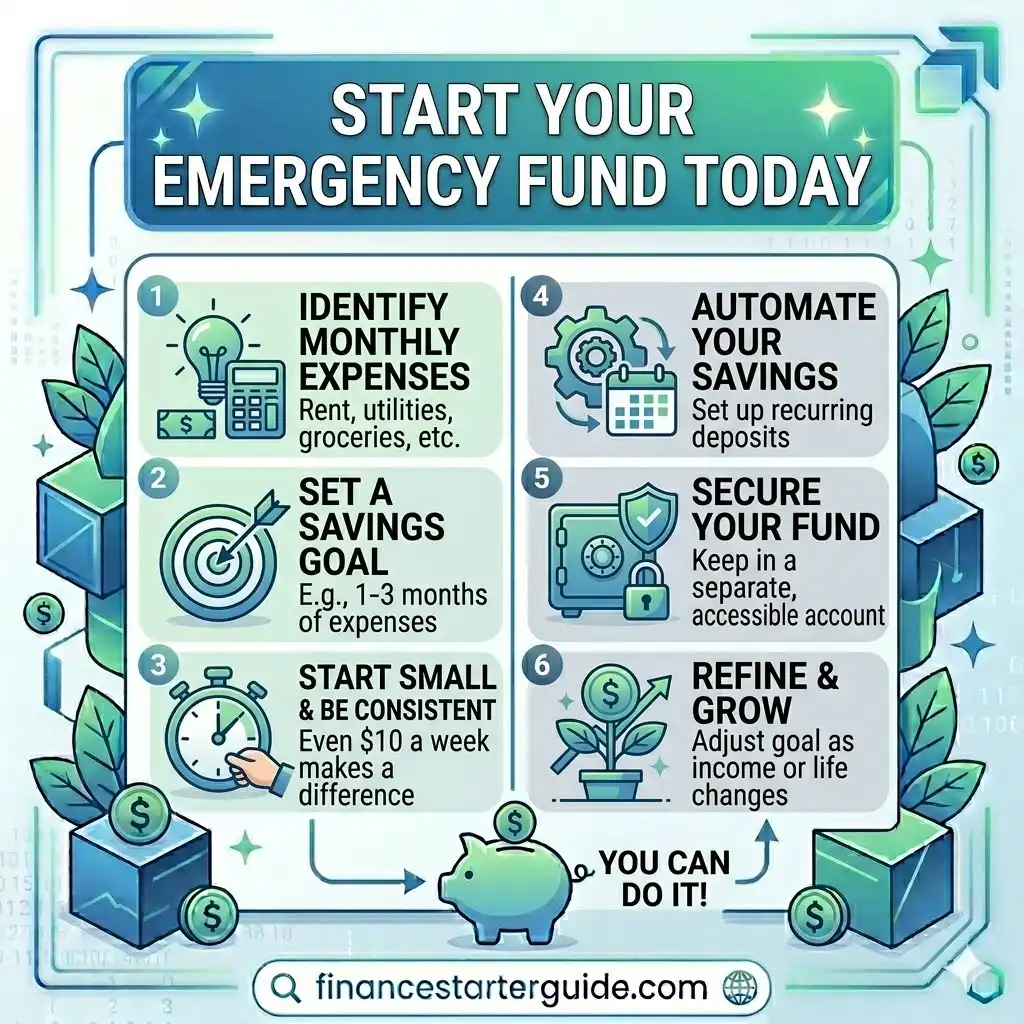
Step 1: Calculate Monthly Expenses
Include:
- Rent
- Utilities
- Groceries
- Insurance
- Transportation
Step 2: Multiply
👉 Example:
- Monthly expenses: $2,000
- 3 months: $6,000
- 6 months: $12,000
👉 That’s your target range.
💸 WHERE TO KEEP YOUR EMERGENCY FUND
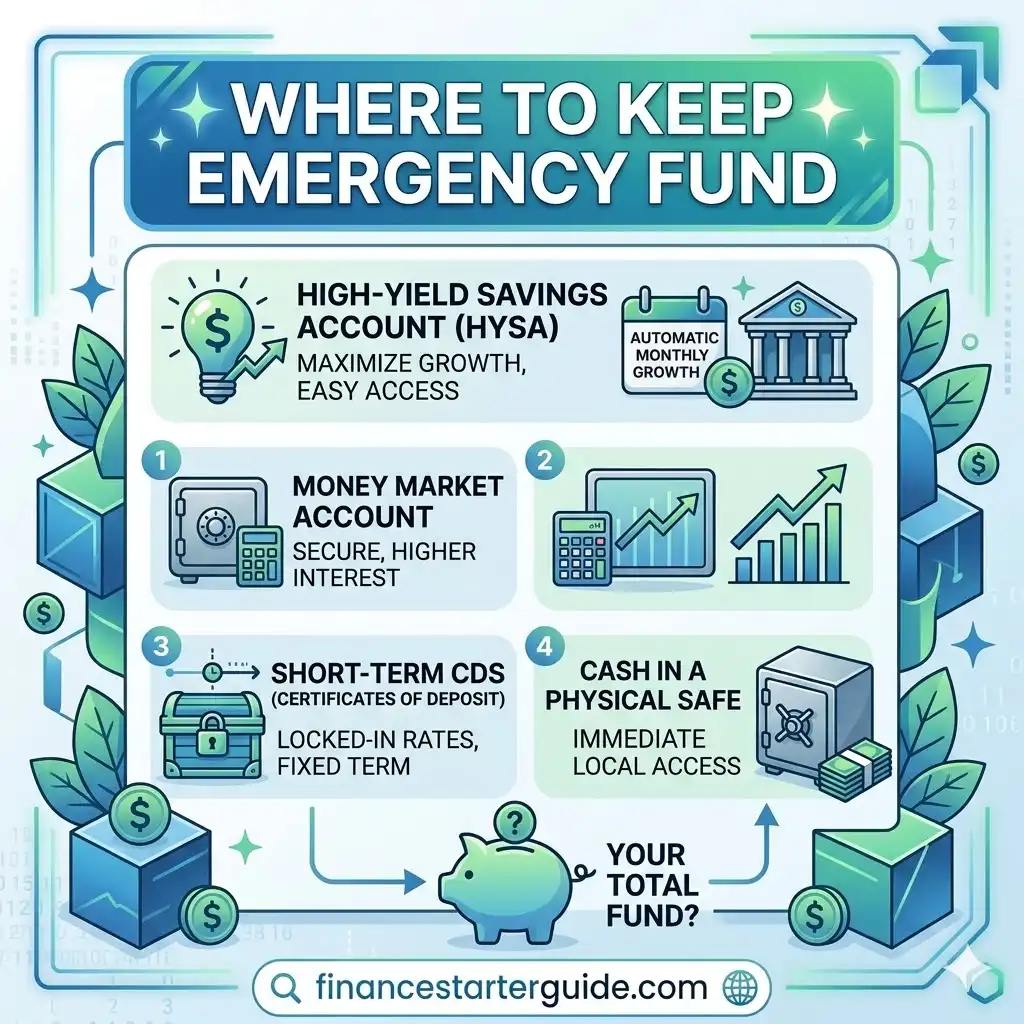
✅ High-Yield Savings Account
- Safe
- Easy access
- Earns interest
✅ Money Market Account
- Slightly higher returns
❌ Avoid:
- Stocks
- Crypto
- Risky investments
👉 Emergency funds must be safe and liquid
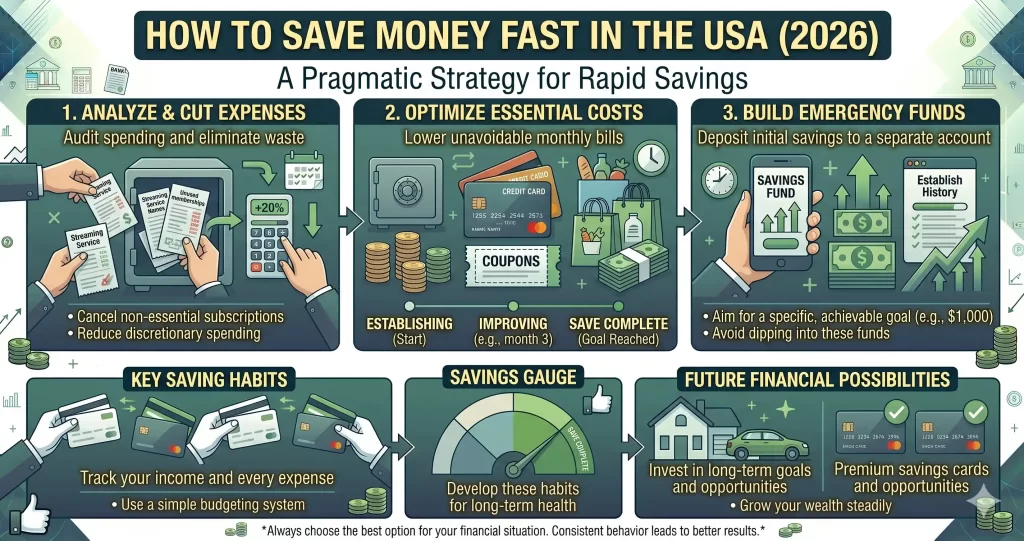
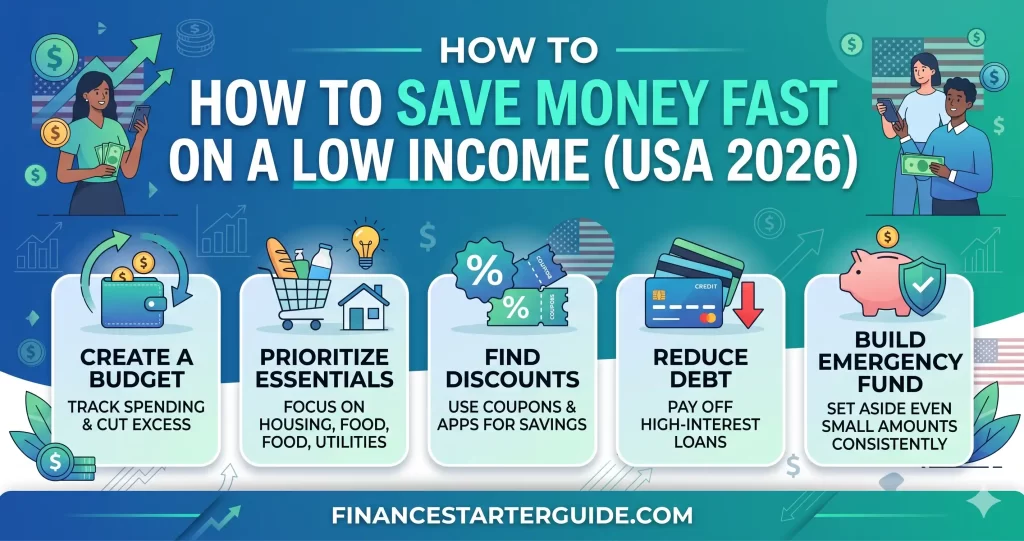
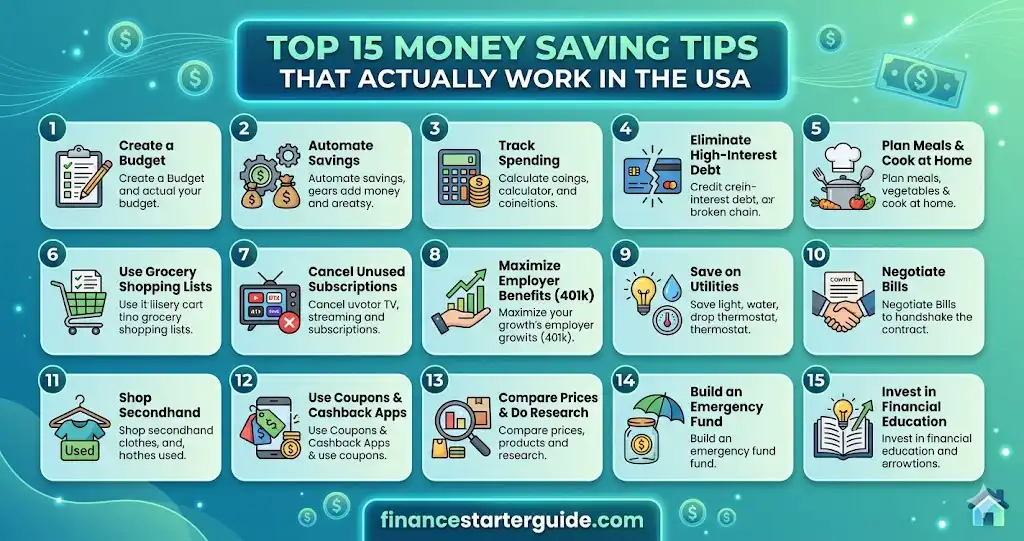
🚀 HOW TO BUILD AN EMERGENCY FUND FAST
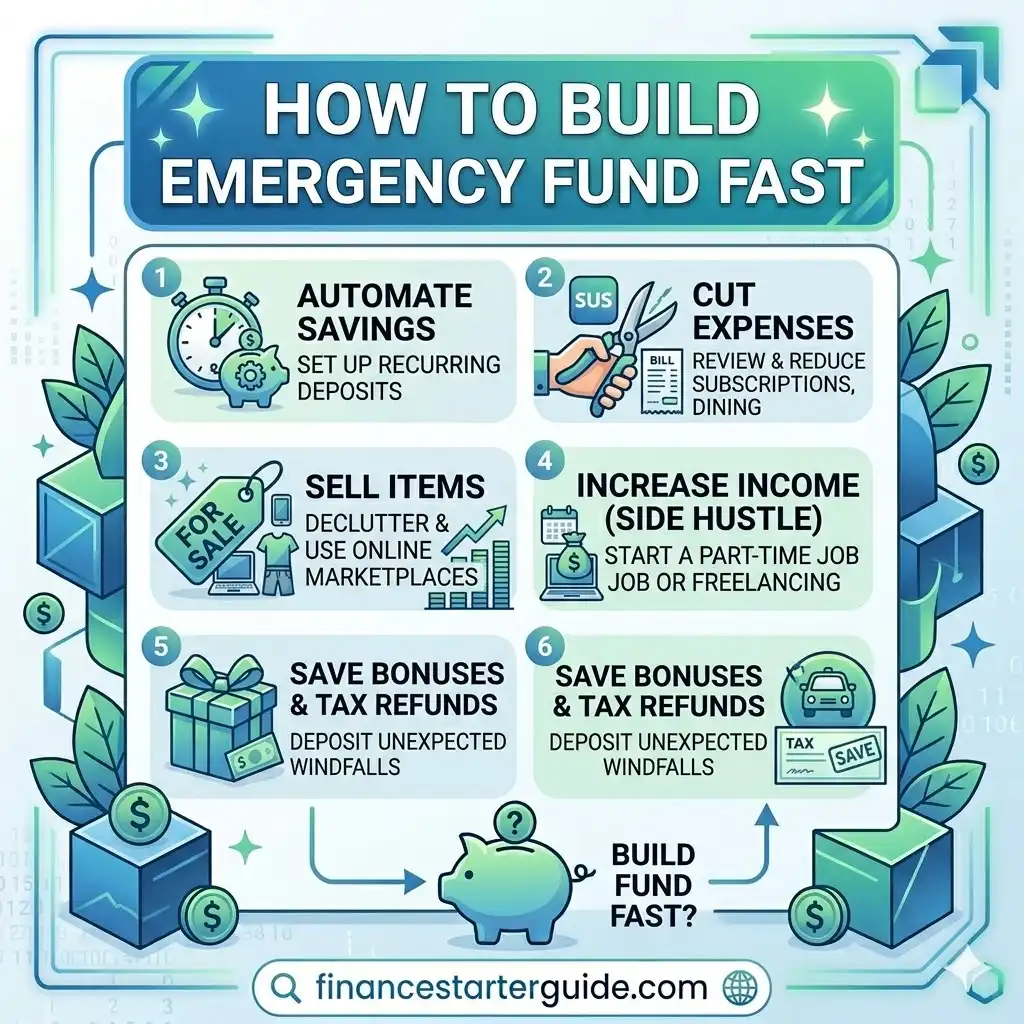
✅ Start Small
Don’t wait for big money — start with $10–$20.
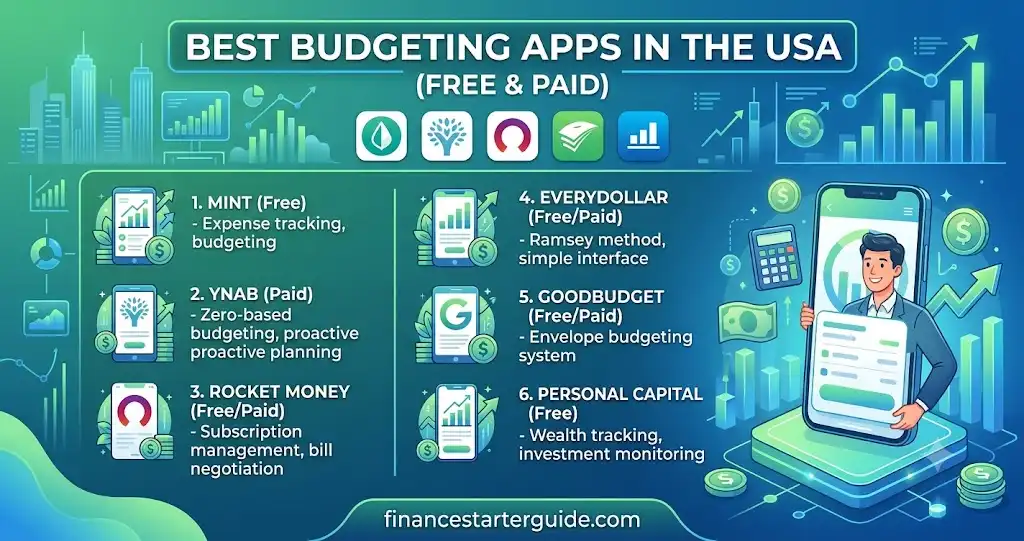
✅ Save Automatically
Set auto-transfer every month.
✅ Use Windfalls
Save:
- Tax refunds
- Bonuses
- Gifts
✅ Cut Expenses
- Cancel subscriptions
- Eat at home
- Reduce bills
✅ Increase Income
- Side hustles
- Freelancing
- Extra work
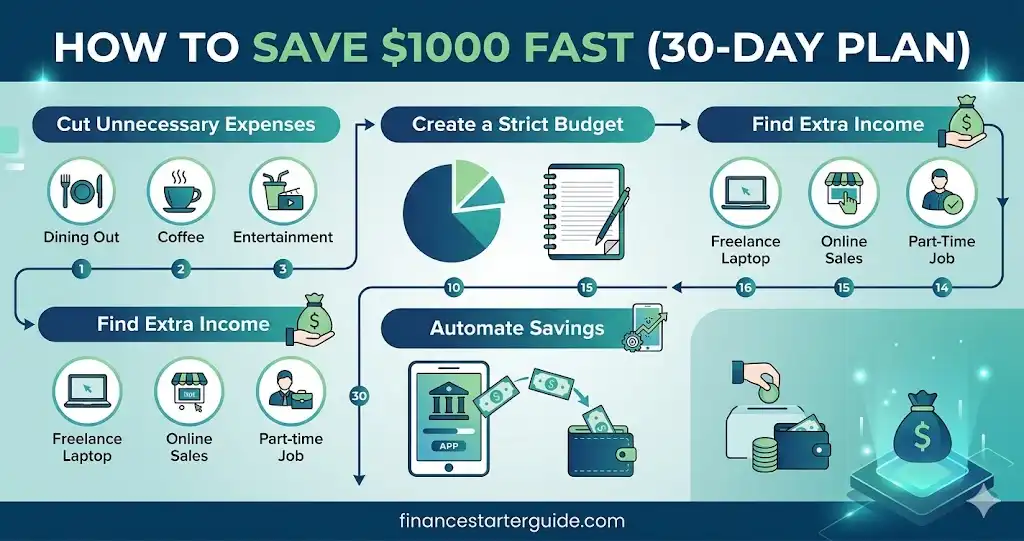
📅 30-DAY STARTER PLAN
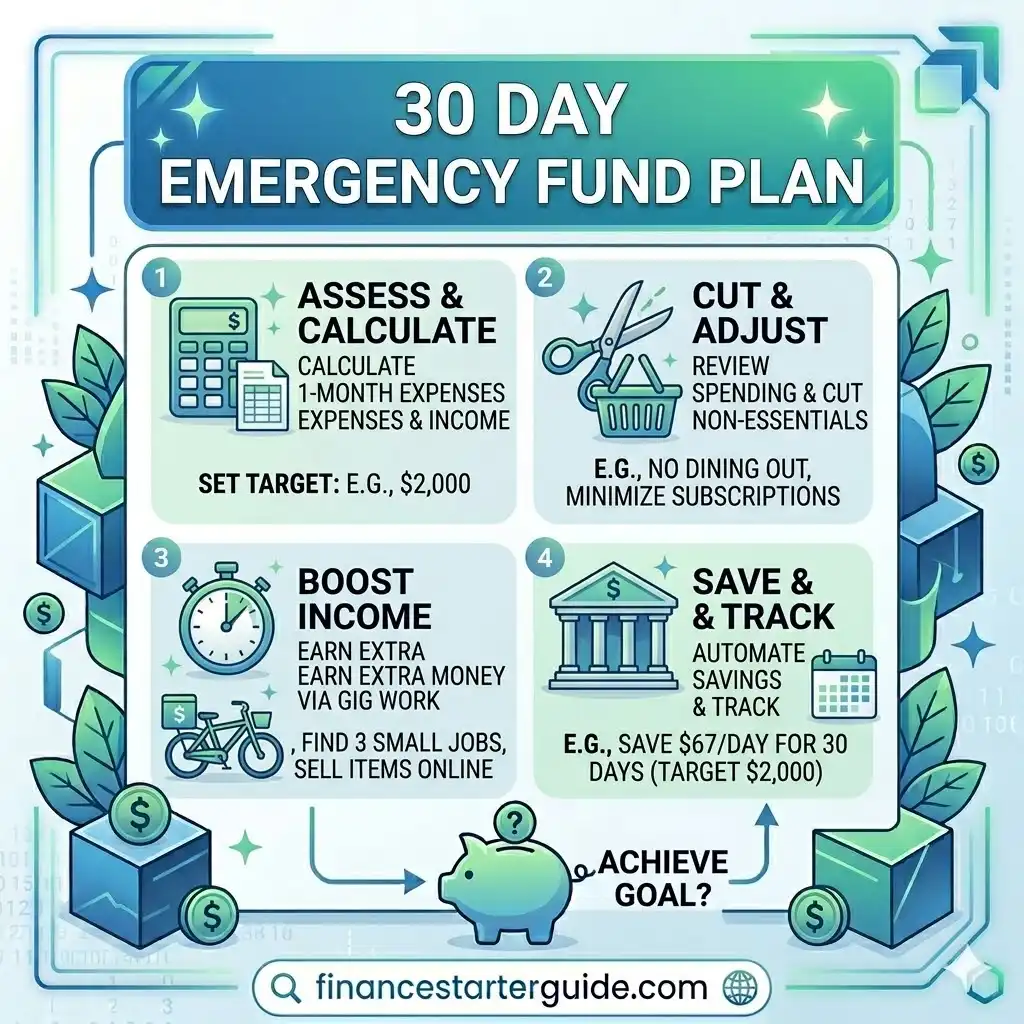
Week 1:
Save $100 (cut expenses)
Week 2:
Save $150 (extra income)
Week 3:
Save $200 (reduce spending)
Week 4:
Save $250+
👉 Total: $500–$700 saved
⚠️ COMMON MISTAKES
❌ Not starting at all
❌ Using fund for non-emergencies
❌ Keeping money in checking account
❌ Investing emergency savings
👉 Discipline is key
📊 REAL EXAMPLES
Example 1 — Beginner
- Saves $500 in 1 month
👉 Avoids using credit card for emergencies
Example 2 — Stable Worker
- Saves 3 months expenses
👉 Feels financially secure
Example 3 — Freelancer
- Saves 9 months
👉 Handles income gaps easily
💡 HOW MUCH SHOULD YOU SAVE BASED ON YOUR SITUATION
👨💼 Stable Job
👉 3–6 months
👩💻 Freelancers
👉 6–12 months
👨👩👧 Families
👉 6+ months
🎓 Students
👉 $500–$1,000
📈 HOW LONG DOES IT TAKE TO BUILD?
- 1 month → starter fund
- 3–6 months → basic fund
- 6–12 months → full fund
👉 Depends on income and discipline
🔥 BEST STRATEGY (SIMPLE)
- Start with $500
- Reach $1,000
- Build to 3 months
- Expand to 6 months
👉 Step-by-step wins
💳 EMERGENCY FUND VS CREDIT CARDS
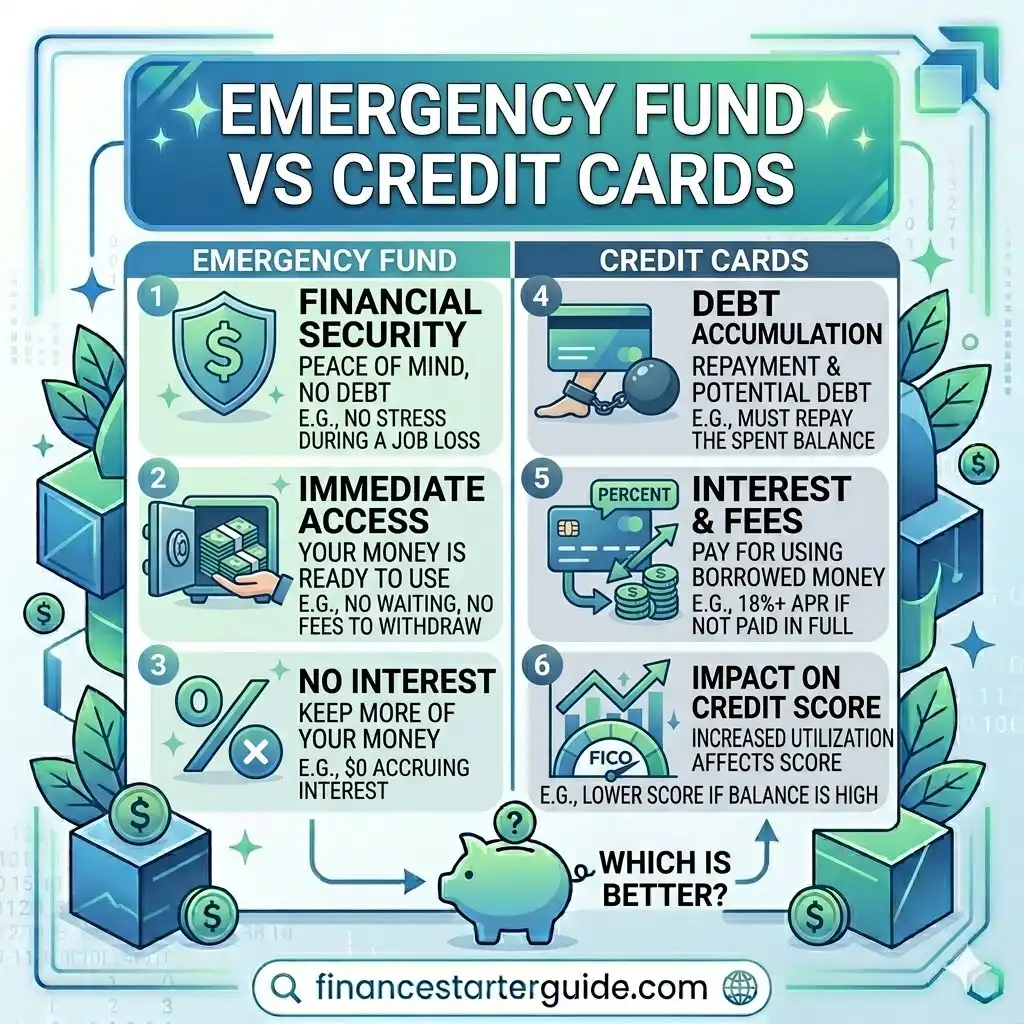
Emergency Fund
✅ No interest
✅ No debt
Credit Cards
❌ High interest
❌ Risky
👉 Always prefer savings over debt
🧠 FAQ SECTION
How much emergency fund do I need?
You need 3–6 months of living expenses.
Is $1000 enough for emergency fund?
It’s a good starting point, but not enough long-term.
Where should I keep my emergency fund?
In a high-yield savings account for safety and access.
How fast can I build an emergency fund?
You can build a starter fund in 30 days.
Should I invest my emergency fund?
No, it should stay safe and liquid.
Disclaimer: This article is for educational and informational purposes only and does not constitute financial, investment, tax, or legal advice.
Pingback: How to Stop Living Paycheck to Paycheck (Realistic USA Guide 2026)
Pingback: Best Personal Loans for Beginners in the USA (2026 Guide)